feedzop-word-mark-logo
searchLogin
Feedzop
homeFor YouIndiaIndia
You
bookmarksYour BookmarkshashtagYour Topics
Trending
Terms of UsePrivacy PolicyAboutJobsPartner With Us

© 2026 Advergame Technologies Pvt. Ltd. ("ATPL"). Gamezop ® & Quizzop ® are registered trademarks of ATPL.

Gamezop is a plug-and-play gaming platform that any app or website can integrate to bring casual gaming for its users. Gamezop also operates Quizzop, a quizzing platform, that digital products can add as a trivia section.

Over 5,000 products from more than 70 countries have integrated Gamezop and Quizzop. These include Amazon, Samsung Internet, Snap, Tata Play, AccuWeather, Paytm, Gulf News, and Branch.

Games and trivia increase user engagement significantly within all kinds of apps and websites, besides opening a new stream of advertising revenue. Gamezop and Quizzop take 30 minutes to integrate and can be used for free: both by the products integrating them and end users

Increase ad revenue and engagement on your app / website with games, quizzes, astrology, and cricket content. Visit: business.gamezop.com

Property Code: 5571

Home / Environment / Climate Change Fuels Shark Attack Risk, Scientist Warns

Climate Change Fuels Shark Attack Risk, Scientist Warns

3 Feb

•

Summary

  • Climate change may increase shark bite incidents, scientist suggests.
  • Heavy rainfall linked to warmer weather influences bull shark behavior.
  • Most shark bites are mistaken identity, not intentional hunting.
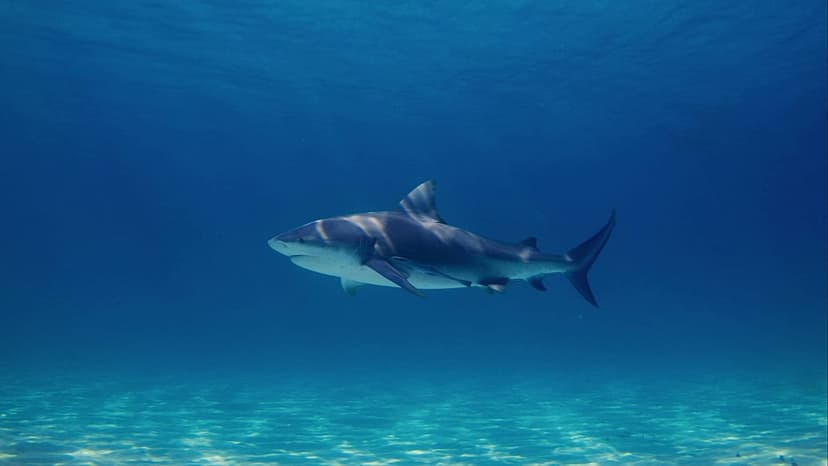
Climate Change Fuels Shark Attack Risk, Scientist Warns

Recent shark bites along Australia's east coast have prompted renewed discussion, with one scientist suggesting climate change could be a contributing factor. Dr. Nicholas Ray, a researcher at Nottingham Trent University, argues that focusing solely on danger overlooks the impact of a warming planet on marine species.

Analyses of recent incidents, including those in Sydney Harbour and near river mouths, indicate a correlation with heavy rainfall. Warmer air temperatures lead to increased moisture and intense rainfall, affecting coastal water salinity, temperature, and visibility. Bull sharks, implicated in these attacks, are drawn to flooded systems where their prey is displaced, making areas near river mouths a higher risk.

Dr. Ray clarifies that sharks do not intentionally hunt humans; most bites are cases of mistaken identity or exploratory actions due to their reliance on senses other than sight. He advocates for examining the complex interplay of climate change, ecosystem dynamics, and human activity to reduce risks, rather than demonizing sharks.

Disclaimer: This story has been auto-aggregated and auto-summarised by a computer program. This story has not been edited or created by the Feedzop team.
Climate change contributes to warmer air temperatures, leading to heavier rainfall. This alters coastal water conditions like salinity and temperature, attracting bull sharks to flooded systems where their prey gathers, increasing the likelihood of encounters.
No, the scientist explains that most shark bites are accidental, resulting from mistaken identity or exploratory behavior by the sharks.
Bull sharks are attracted to estuaries and flooded systems, especially after heavy rainfall, because their prey species are displaced into these areas.

Read more news on

Environmentside-arrow
trending

PFC REC merger approved

trending

Tata Steel share price surges

trending

ITC stock market stability

trending

SBI share price jumps

trending

ITA Airways promotes Olympics

trending

Brandon McMullen scores 41

trending

Scotland seek Italy revenge

trending

Zimbabwe vs Oman T20

trending

Kruthik Krishna proves mettle

You may also like

Whale Songs Reveal Ocean's Climate Shift

5 hours ago • 3 reads

article image

UK Beaches Crumble: Homes Face Sea's Fury

31 Jan • 37 reads

article image

Glacier Floods Surge: Climate Change Unleashes Deadly GLOFs

22 Dec, 2025 • 207 reads

article image

Midlands Drought Ends After Record Rainfall

8 Dec, 2025 • 273 reads

article image

Wildcats Eyed for Comeback in South West England

18 Nov, 2025 • 368 reads

article image