Home / Environment / Sanctions Create 'Dirty Bombs' on the Seas
Sanctions Create 'Dirty Bombs' on the Seas
29 Jul
Summary
- Sanctioned tankers operate without insurance, posing spill risks.
- Coastal states may fund cleanup if uninsured tankers leak.
- Decommissioning old, sanctioned vessels faces complex regulatory hurdles.
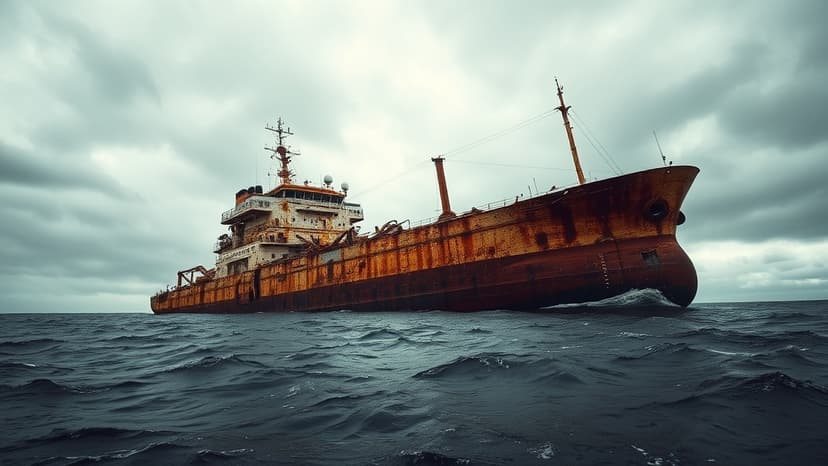
Uninsured and aging oil tankers operating as part of Russia and Iran's "shadow fleet" present a significant global environmental hazard. These vessels, often older than 20 years, continue to transport oil due to sanctions preventing their decommissioning or repair. This situation has created a network of "seaborne dirty bombs" with the potential for catastrophic oil spills.
If a "shadow fleet" tanker leaks oil, coastal nations may bear the financial burden of cleanup. This is because these vessels are typically uninsured, and their owners are deliberately obscured through shell companies. As a result, affected countries may lack recourse for compensation.
The U.S. and EU are exploring ways to allow sanctioned, aged vessels to be decommissioned. However, owners may not agree to sell for scrap without payment, and all sanctioning countries would need to align their regimes for such a solution to be effective.
The recent grounding of the Caroline Bezengi tanker off Oman serves as a stark warning. The next major oil spill might not originate from a well-known energy company but from a decrepit tanker, a foreseeable consequence of a sanctions system with a critical loophole.


