Home / Environment / Sewage Spills Plummet: But Is It Real Progress?
Sewage Spills Plummet: But Is It Real Progress?
26 Mar
Summary
- Total spill duration fell by almost half compared to 2024.
- Critics argue lower spill numbers are due to dry weather, not company action.
- Water companies face accusations of profiting from pollution and harming public health.
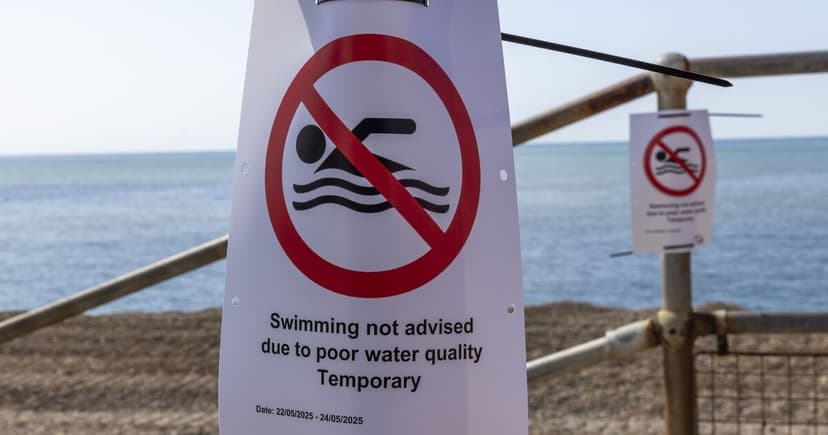
The duration of sewage spills has significantly decreased, with reports indicating a near 50% reduction. Some water companies have experienced spill reductions ranging from 40% to 70% compared to the previous year. This decline is heavily influenced by weather patterns, as rainfall and sewage share the same pipe systems.
Despite these figures, environmental groups like River Action and Surfers Against Sewage express skepticism. They contend that the reduced spill numbers, particularly after a dry summer in 2025, are not indicative of real change but rather a predictable outcome of less rainfall. Critics argue water companies continue to profit from pollution, with regulators failing to enforce adequate measures.
Organizations highlight that illegal sewage dumping occurred on dry days, leading to illness and pollution of bathing sites. They warn that the current level of sewage dumping in early 2026 already surpasses last year's figures, indicating the problem persists. The focus remains on the health risks faced by swimmers, surfers, and children due to corporate decisions prioritizing profits over public well-being.
Water UK acknowledges that sewage spills are a serious issue and are working to eliminate them. While recognizing the impact of dry weather in 2025, they point to a tripling of water company investment as a factor in reducing spills. Future plans include building larger storm tanks and expanding sewage treatment capacity, aiming to halve spills within the next five years.