Home / Environment / Oysters Return: 3 Million Planted in Severn River
Oysters Return: 3 Million Planted in Severn River
24 Jul
Summary
- Millions of baby oysters planted to improve water quality.
- Oysters filter water and provide habitat for bay species.
- Recycled oyster shells from restaurants start the restoration.
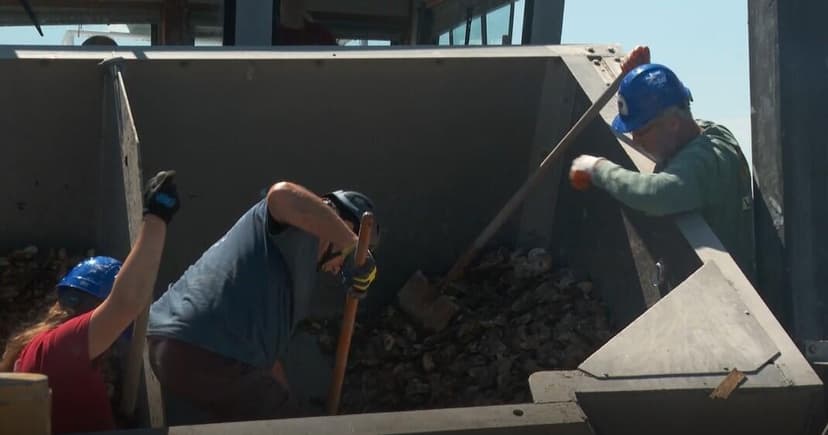
Millions of baby oysters were recently planted in Maryland's Severn River as part of a large-scale restoration project. This initiative seeks to significantly improve water quality and restore essential habitats. The effort also aims to provide better protection for the Annapolis shoreline from flooding.
The Chesapeake Bay Foundation planted approximately three million baby oysters, or spat, onto a sanctuary reef. This planting is one of several planned, with a broader goal of reintroducing 30 million oysters into the river by the conclusion of 2026.
Oysters are crucial for the bay's ecosystem, acting as natural filters for water and providing habitat for numerous species. They also play a role in mitigating shoreline erosion and wave energy. Over 97% of the Severn River's historic oyster reefs were lost due to overharvesting, disease, and habitat loss.
The restoration process begins with volunteers collecting used oyster shells from Maryland restaurants. These shells are cured for six months, becoming ideal homes for oyster larvae. Once attached, the spat are planted on sanctuary reefs, where they will remain permanently.
This project is a collaboration involving the Chesapeake Bay Foundation, the Severn River Association, the Maryland Department of Natural Resources, and naval installations in Annapolis. Supported by national funding, the project strengthens climate resilience in the Annapolis area and is expected to be completed by the end of 2026.


