Home / Environment / Sea Empress: A Wake-Up Call Still Resonating
Sea Empress: A Wake-Up Call Still Resonating
15 Feb
Summary
- Thousands of seabirds perished after a tanker grounded, blackening beaches.
- The disaster prompted significant changes in environmental awareness and policy.
- Experts warn climate change now heightens risks of future pollution events.

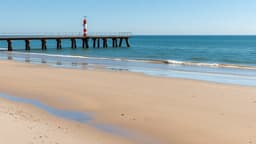
Thirty years ago, the oil tanker Sea Empress grounded, inflicting a devastating blow upon south Wales' coastline, turning renowned beaches black and leading to the deaths of thousands of seabirds. This incident occurred in Pembrokeshire, a region of significant ecological importance. Salvage efforts for the tanker lasted nearly a week. The disaster is widely remembered as a pivotal moment that reshaped public environmental consciousness. Experts are now highlighting that climate change exacerbates the risks of future major pollution events due to more turbulent seas.
Retired reporter Hefin Wyn recalled the alarming sight of thick oil on the water and the heartbreaking images of birds unable to fly. Conservationist Iolo Williams described the pervasive nature of the oil and estimated that at least double the 7,000 retrieved birds perished. The spill impacted starfish, limpets, and the local fishing industry for over 18 months. The tanker, Sea Empress, struck rocks on February 15, 1996, at the entrance to Milford Haven waterway, spilling over 70,000 tonnes of crude oil affecting approximately 200km of coastline.
An inquiry revealed issues such as an inexperienced pilot and malfunctioning radar, leading to a £4 million fine for Milford Haven Port Authority, later reduced. While some, like Gordon James of Friends of the Earth, expressed ongoing anger over ignored warnings, others, like Joe Small from the Marine Pollution Control Unit, detailed the complex safety issues on board, including the risk of explosion, which constrained salvage options. Tom Sawyer, CEO of the Port of Milford Haven, acknowledged the event as a defining moment that exposed industry shortcomings and spurred significant safety and technological advancements.
Worldwide, the disaster accelerated the adoption of double-hull tankers and improved compensation frameworks for environmental damage. Current challenges include busier seas and the impacts of climate change, with more frequent and intense storms. The increased reliance on smaller imported tankers also raises concerns. Despite the catastrophic impact, the timing and wind direction were fortuitous, and a strong community cleanup effort aided a quicker recovery. The event permanently shifted public perception, emphasizing the preciousness and fragility of the environment.