
Home / Environment / Parasite Returns: Texas Agriculture on Alert
Parasite Returns: Texas Agriculture on Alert
27 Jun
Summary
- New World screwworm, eradicated 60 years ago, has reappeared in Texas and New Mexico.
- Agricultural biosecurity system is poorly prepared for emerging crop threats.
- Past sabotage incidents highlight vulnerability of agricultural exports.
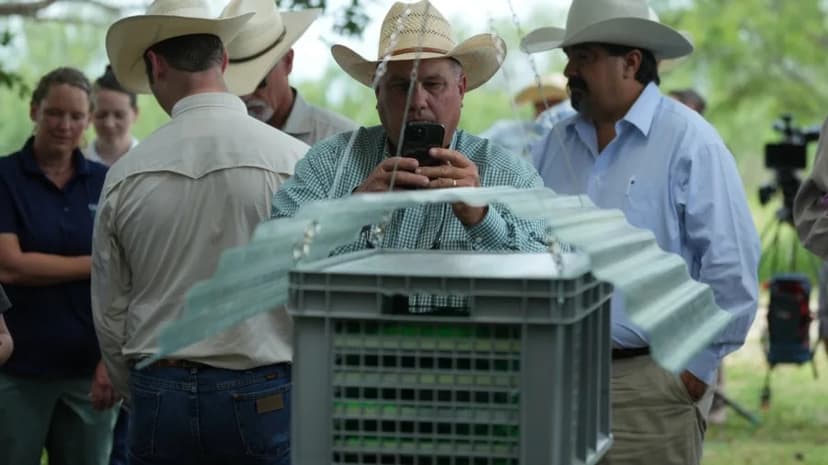
The U.S. Department of Agriculture confirmed the return of the New World screwworm, a parasite largely eradicated decades ago, with cases now appearing in Texas and southeastern New Mexico. This event highlights significant weaknesses in the nation's agricultural biosecurity system. Researchers warn that the system is ill-equipped to handle naturally occurring diseases not yet present in the U.S. or deliberately engineered pathogens.
Modern farming's reliance on a few high-yield crop varieties increases vulnerability, mirroring historical blights that caused substantial losses. Furthermore, past acts of agricultural sabotage, such as contaminating exported grapes and oranges, demonstrate the ease with which agricultural exports can be targeted. Advances in synthetic biology could enable the creation of novel pathogens to devastate crops covertly.
To address these vulnerabilities, experts recommend expanding pathogen surveillance to agriculture, similar to human disease monitoring. Funding rapid crop pathogen detection programs and establishing biosecurity standards for commercial crop operations are also crucial. A rapid-response research mechanism and enhanced forensic capabilities are needed to quickly determine if outbreaks are natural or deliberate, requiring collaboration between multiple government agencies.
