Home / Environment / Scotland Drenched: Record January Rains Flood Northeast
Scotland Drenched: Record January Rains Flood Northeast
6 Feb
Summary
- Aboyne received four times its average January rainfall.
- Aberdeen experienced its longest sunless period since 1957.
- Extreme weather disrupted oil operations, farming, and sports.

Northeast Scotland experienced unprecedented rainfall in January 2026, with Aboyne receiving over 277mm of rain, four times its monthly average. Aberdeen recorded no sunshine since January 21, the longest sunless period since Met Office records began in 1957. This "blocked weather pattern" has been blamed for preventing drier conditions and is consistent with climate change predictions of more intense winter rainfall.
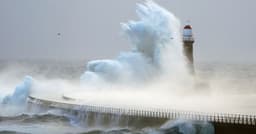
The continuous heavy precipitation and high winds have had wide-ranging consequences. North Sea oil companies relocated staff due to supply disruptions, and Aberdeenshire Council found pothole repairs challenging amidst flood alerts. Farmers reported submerged low-lying fields, forcing livestock relocation and halting essential fieldwork. Puffins have also been affected, struggling to find food and washing up dead on beaches.
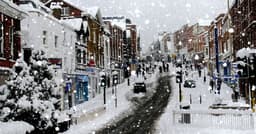
Sporting events, including football matches, were postponed due to waterlogged pitches. Even cultural events like Aberdeen's Spectra festival encouraged attendees to embrace the wet conditions. Forecasters predict continued unsettled weather, with potential for more significant snowfall in the coming week as temperatures drop.