Home / Environment / Fishermen Fight for Scotland's Dying Seas
Fishermen Fight for Scotland's Dying Seas
23 Jan
Summary
- Most Scottish marine protected areas lack enforcement against destructive fishing.
- Bottom trawling in protected waters released significant stored carbon.
- Scotland's tourism faces impact as seafood is increasingly imported.
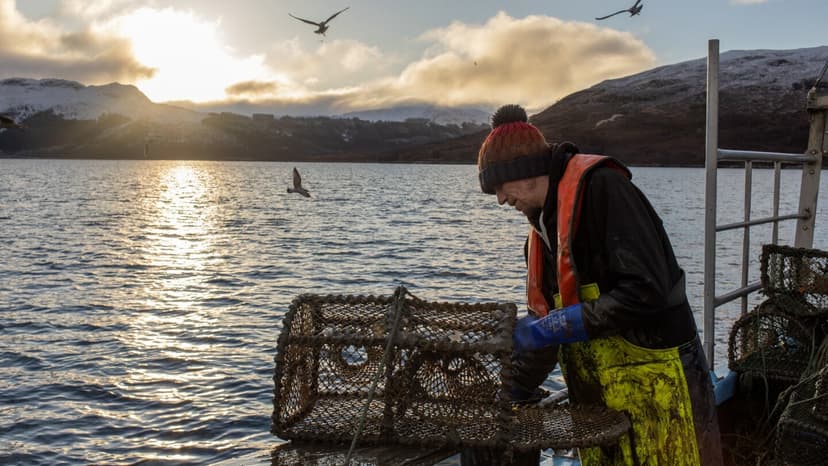
Bally Philp, a third-generation fisherman from Scotland's Isle of Skye, witnesses the decline of fish stocks in his home waters. While 37% of Scotland's seas are designated protected areas, effective management is lacking in most. Destructive fishing methods like bottom trawling and scallop dredging remain prevalent, impacting marine habitats and releasing significant amounts of carbon.
These practices have had a devastating effect on fish populations, with historical catches now only a fraction of their former levels. This degradation forces fishermen to travel further, impacting their livelihoods and forcing families away from traditional practices. The economic repercussions extend beyond fishing, affecting Scotland's tourism sector as seafood imports rise.
Conservationists advocate for stricter protections, aiming to safeguard at least 30% of Scotland's inshore seas by 2030. Although the government has indicated upcoming measures, delays in consultations and implementation leave fishermen like Philp feeling despair over the slow pace of change to protect vital marine ecosystems.