Home / Environment / Scampi's Secret Climate Cost Revealed
Scampi's Secret Climate Cost Revealed
15 Mar
Summary
- Bottom trawling for scampi releases ancient trapped carbon.
- Fishing method devastates marine ecosystems and causes bycatch.
- Scampi's environmental impact is largely invisible to consumers.
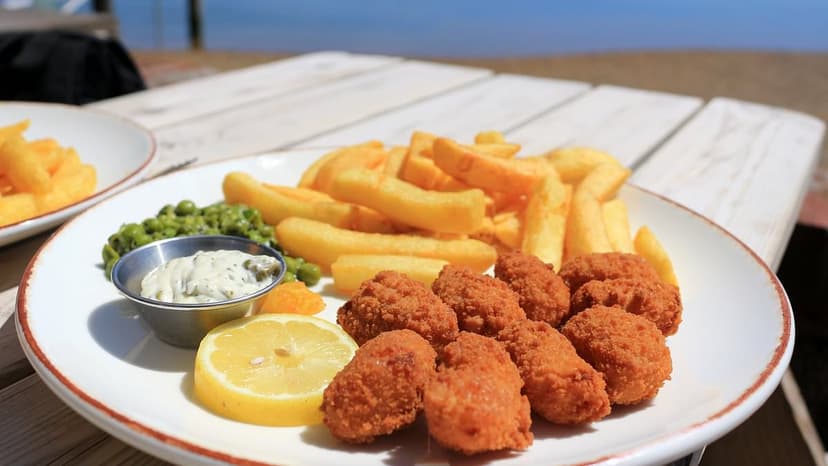
Concerns are mounting over the environmental impact of scampi and chips, a popular seaside treat. Scientists warn that the common fishing method for Norway lobsters, or langoustines, known as bottom trawling, carries a significant hidden climate cost. This practice involves dragging heavy nets across the seabed, which is now understood to release vast stores of carbon dioxide trapped in ocean mud for thousands of years.
The University of Exeter study highlights that bottom trawling in areas like the Fladen Ground east of Scotland disturbs sediments containing carbon deposited as far back as the last ice age. This disturbance releases the carbon into the atmosphere, contributing to climate change. The process is particularly damaging as the affected sediment is not replenished quickly, meaning centuries-old carbon stores are vulnerable.
Beyond carbon release, bottom trawling causes extensive damage to marine ecosystems. The fine-meshed nets indiscriminately catch and discard substantial amounts of other marine life, known as bycatch. For every kilogram of scampi caught, another kilogram of wildlife, including juvenile fish, sharks, and other shellfish, is killed and discarded. These fishing grounds often overlap with crucial nursery and spawning areas for other species.
Conservationists argue that current fisheries management for scampi is inadequate, leading to flattened and damaged habitats across large areas of the North Sea. While alternatives like creel fishing exist and are more sustainable, the majority of scampi is still caught using destructive bottom trawling methods. This makes the environmental cost of scampi largely invisible to consumers, despite the significant ecological damage.