feedzop-word-mark-logo
searchLogin
Feedzop
homeFor YouIndiaIndia
You
bookmarksYour BookmarkshashtagYour Topics
Trending
Terms of UsePrivacy PolicyAboutJobsPartner With Us

© 2026 Advergame Technologies Pvt. Ltd. ("ATPL"). Gamezop ® & Quizzop ® are registered trademarks of ATPL.

Gamezop is a plug-and-play gaming platform that any app or website can integrate to bring casual gaming for its users. Gamezop also operates Quizzop, a quizzing platform, that digital products can add as a trivia section.

Over 5,000 products from more than 70 countries have integrated Gamezop and Quizzop. These include Amazon, Samsung Internet, Snap, Tata Play, AccuWeather, Paytm, Gulf News, and Branch.

Games and trivia increase user engagement significantly within all kinds of apps and websites, besides opening a new stream of advertising revenue. Gamezop and Quizzop take 30 minutes to integrate and can be used for free: both by the products integrating them and end users

Increase ad revenue and engagement on your app / website with games, quizzes, astrology, and cricket content. Visit: business.gamezop.com

Property Code: 5571

Home / Environment / Stinky Sargassum: A Billion-Dollar Beach Blight

Stinky Sargassum: A Billion-Dollar Beach Blight

16 Jan

•

Summary

  • Massive sargassum blooms cause up to $1 billion in annual economic damage.
  • Blooms negatively impact tourism, health, and marine ecosystems.
  • Sargassum seasons are starting earlier and lasting longer.
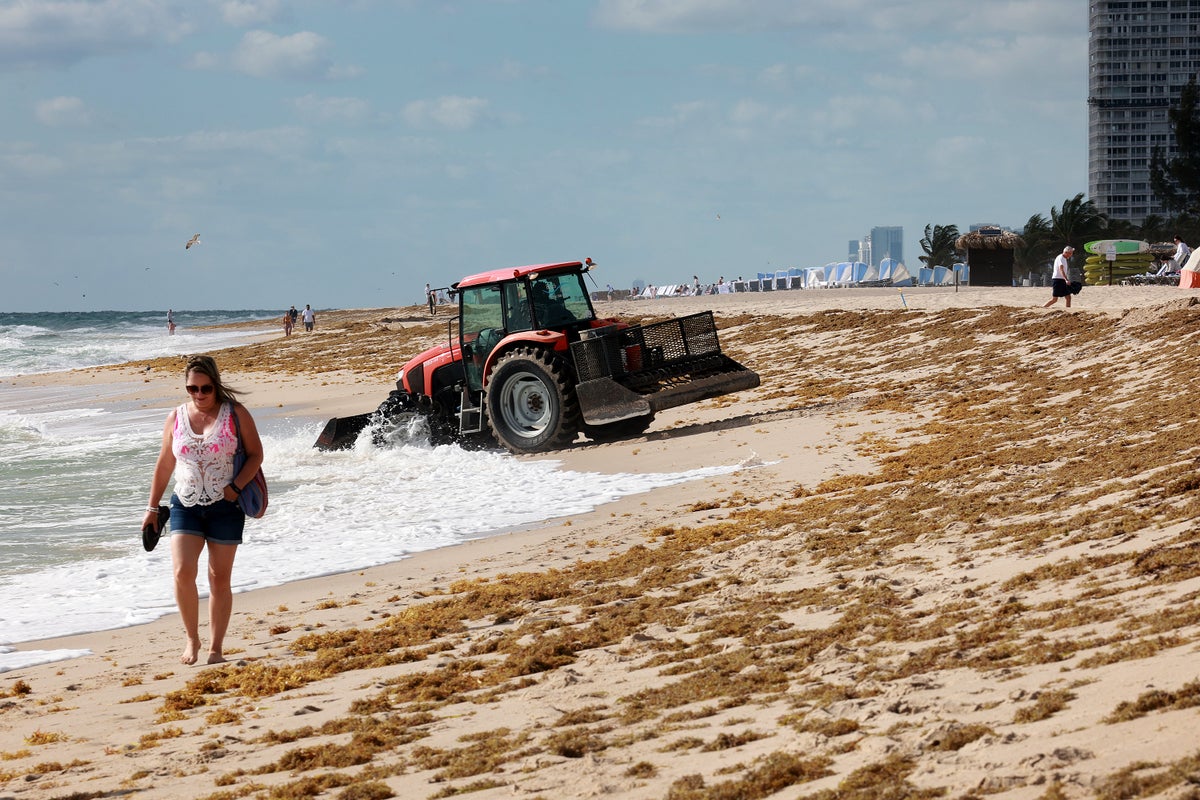
Stinky Sargassum: A Billion-Dollar Beach Blight

Coastal communities in Florida, Puerto Rico, and the U.S. Virgin Islands are facing economic devastation from massive sargassum seaweed blooms. Researchers estimate these annual inundations cause up to a billion dollars in damages. The seaweed, originating from the Great Atlantic Sargassum Belt, fouls beaches, impacts tourism, and poses health risks due to toxic gas release and accumulated pollutants.

These 'brown tides' are not only economically damaging but also present serious health concerns. The decomposition of sargassum releases hydrogen sulfide and ammonia, which can cause respiratory, cardiovascular, and neurological problems. Furthermore, the seaweed accumulates heavy metals and pesticides, posing fatal risks to humans and animals, while also smothering coral reefs and disrupting sea turtle nesting sites.

Scientists are observing that sargassum seasons are beginning earlier and extending longer in the western Atlantic and Caribbean. While the direct link to climate change is debated, these unprecedented events signal broader shifts in the Atlantic Ocean. Continued investment in monitoring, forecasting, and cleanup is crucial to mitigate escalating economic vulnerabilities and environmental harm.

Disclaimer: This story has been auto-aggregated and auto-summarised by a computer program. This story has not been edited or created by the Feedzop team.
Sargassum blooms cause millions, potentially up to a billion dollars, in annual economic damage to Florida coastal communities.
Sargassum blooms can harm marine animals by smothering coral reefs and disrupting sea turtle nesting grounds.
Yes, researchers found that sargassum seasons are starting earlier and lasting longer in the Caribbean region.

Read more news on

Environmentside-arrowFloridaside-arrowPuerto Ricoside-arrow
trending

Reliance Industries Q3 profits rise

trending

X, formerly Twitter, down

trending

Wipro ADR falls 5.5%

trending

Indian Navy modernizes satcom

trending

AI tool shocks Shark Tank

trending

WPL points table explained

trending

iPhone 18 Pro: Under-screen FaceID

trending

RCB remains unbeaten in WPL

trending

JEE Main 2026 admit

You may also like

Record Seaweed Blob Explodes, Another Vanishes!

4 Dec, 2025 • 251 reads

article image

Arctic Chill Spreads: US Faces Below-Normal Temps

4 Dec, 2025 • 249 reads

article image

Cuba Health Crisis: Dengue Fears as Tourists Return

2 Dec, 2025 • 157 reads

article image

Tiny Vaquita on Brink: Extinction Looms

2 Dec, 2025 • 277 reads

article image

Quiet 2025 Hurricane Season Continues as Florida Avoids Storms

14 Nov, 2025 • 329 reads

article image