Home / Environment / Dredged Mud Builds New Coastal Habitat
Dredged Mud Builds New Coastal Habitat
23 Feb
Summary
- Sediment from harbour maintenance is restoring saltmarshes.
- The new habitat aims to cover over 189 acres of coastline.
- Restoration supports wildlife and offers enhanced coastal protection.
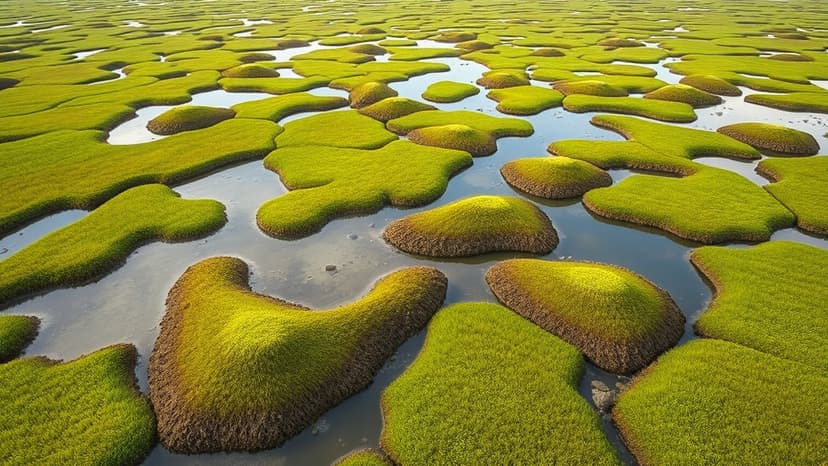
Sediment removed during routine harbour maintenance is being repurposed to restore saltmarsh habitats along the north-east Essex coast. This initiative, focusing on Copperas Bay near Wrabness, involves dredging material until March 20th, which will then be used to enhance the Harwich Haven area.
The project aims to create a saltmarsh covering more than 189 acres, equivalent to approximately 107 football pitches. This restoration is viewed as a nature-positive opportunity, transforming waste material into a valuable ecological asset that also offers potential benefits for coastal protection.
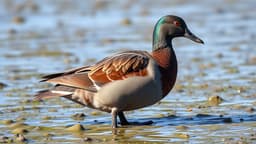
Saltmarshes are critical wildlife habitats in the UK, supporting diverse species including black-tailed godwits, redshank, turnstones, and various wildfowl. Much of this habitat has been lost due to rising sea levels and land-use changes, making this restoration particularly significant.
Researchers from the University of Essex will monitor the project's success, with early indications suggesting this novel approach could significantly enhance saltmarsh restoration and help future-proof coastlines against environmental changes. The work ensures the navigation channel remains safe for ships while creating ecological benefits.