Home / Environment / Salmon Law Hits NW Power Costs
Salmon Law Hits NW Power Costs
15 Mar
Summary
- New salmon protection measures may raise electricity rates by 2-3%.
- Hydroelectric power generation could decrease due to mandated water flow changes.
- Federal court order impacts endangered salmon populations and grid reliability.

Federal court-mandated changes aimed at bolstering endangered salmon populations in the Columbia River Basin are expected to lead to increased electricity costs for consumers in Northwest Montana. Flathead Electric Cooperative officials estimate that members' rates could rise by 2% to 3% due to fluctuations in wholesale power prices.
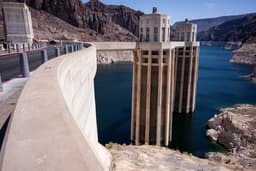
A federal judge in Oregon issued a preliminary injunction in February, requiring increased water diversion around eight dams on the Columbia and Snake rivers and lowering reservoir water levels during spring and summer. These adjustments are intended to provide a consistent supply of swift, cold water for migrating salmon.
However, these measures will reduce the amount of water available for hydropower generation, a primary energy source for the cooperative. Katie Pfennigs, community relations manager for Flathead Electric, explained that decreased generation leads to higher wholesale power costs, which are passed on to members.
This situation adds to existing pressures on the utility sector, including rising electricity demand from population growth and energy-intensive industries. Furthermore, issues with federal transmission infrastructure may hinder the integration of new renewable energy sources. The court's decision underscores the complex balance between environmental protection and energy generation, with potential implications for grid reliability during peak demand periods.