Home / Environment / Avocado Takes Root: Salento's Risky Agro-Future
Avocado Takes Root: Salento's Risky Agro-Future
17 Nov
Summary
- Salento farms replace olive trees devastated by Xylella with water-thirsty avocados.
- Xylella bacterium threatens European agriculture, costing billions and jobs.
- Avocado farming faces water scarcity challenges in drought-prone Salento.
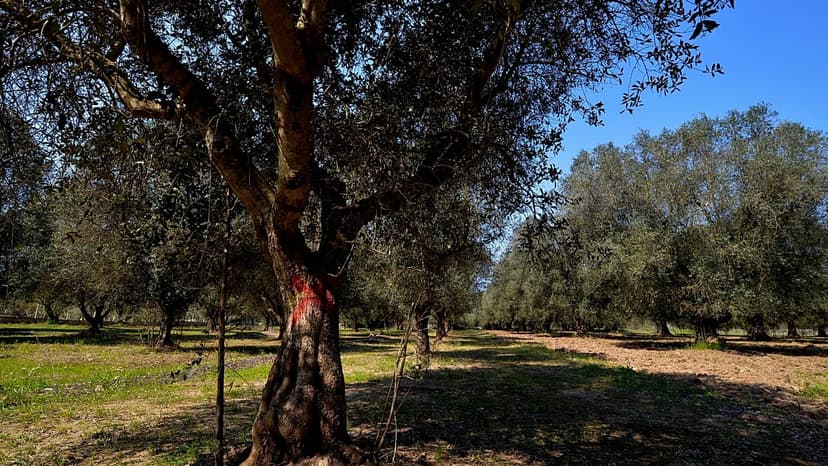
In response to the devastating Xylella bacterium crisis that destroyed olive trees, farms in Salento, Italy, are converting to avocado cultivation. This tropical shift, seen between Calimera and Vernole, introduces Hass, Bacon, and Fuerte varieties. However, avocados require substantial water, posing a significant challenge in a region already experiencing drought and aquifer depletion.
The Xylella bacterium, first detected in Puglia in October 2013, has spread across Europe, affecting not only olive trees but also almonds, vines, and citrus. The European Food Safety Authority (EFSA) has reported its presence in 727 plant species. Uncontrolled spread could cost European agriculture an estimated 7.1 billion euro annually, with over 540,000 jobs at risk.
While Apulia's state of water emergency concluded on June 30, 2026, reservoirs remain below capacity, and aquifers show declining levels and seawater intrusion. The expansion of water-intensive crops like avocados intensifies pressure on dwindling resources, highlighting a critical issue for the future of Mediterranean agriculture.
This agricultural conversion demonstrates potential for new income streams but necessitates careful crop selection based on water availability, soil quality, and climate resilience. The long-term viability of such a pivot remains a key challenge for the region.


