Home / Environment / Dolphin Deaths Surge in SA Amid Algal Bloom Crisis
Dolphin Deaths Surge in SA Amid Algal Bloom Crisis
13 Jul
Summary
- Dolphin deaths in 2025 were the highest in 12 years due to algal bloom.
- Food shortage, particularly of southern calamari, is suspected cause.
- Marine heatwave may have added stress to affected wildlife.
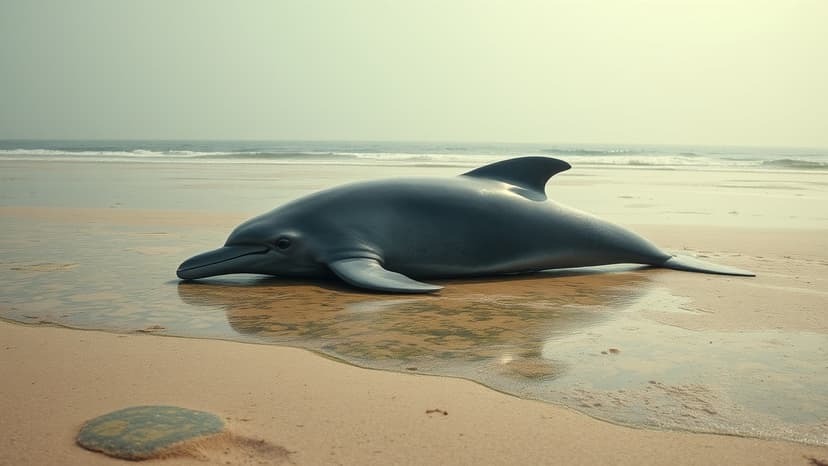
In 2025, South Australia witnessed a significant spike in dolphin deaths, marking the highest mortality rate in 12 years, primarily attributed to a severe algal bloom. Data indicates at least 70 dolphin carcasses were discovered along the state's beaches, with an additional 20 reported in early 2026. Many of these animals, particularly in Gulf St Vincent, appeared emaciated.
Researchers suspect a drastic reduction in food availability, specifically southern calamari, as the main cause for common dolphins. Government research showed southern calamari populations were 80% below baseline levels in key gulfs. While direct algal toxin effects on dolphins were not confirmed, the indirect impact on their food sources is considered a likely factor.
A concurrent marine heatwave, ongoing since September 2024, may have acted as an additional stressor on the marine ecosystem. The disbanding of a marine mammal postmortem program in 2023 has hindered detailed analysis, prompting calls for its reinstatement to better understand such events.
South Australia's Department for Environment and Water acknowledged that disruption to marine food chains, including the effects of algal biotoxins, could be contributing to increased dolphin deaths. Chronic weight loss has been observed in numerous marine animals since the bloom began.


