Home / Environment / Rwanda's Rains: Blessing Turned Danger
Rwanda's Rains: Blessing Turned Danger
1 Mar
Summary
- Changing weather patterns cause heavy downpours, threatening livelihoods.
- Eighty percent of Rwanda's population depends on agriculture.
- Women, especially pregnant ones, disproportionately face climate impacts.
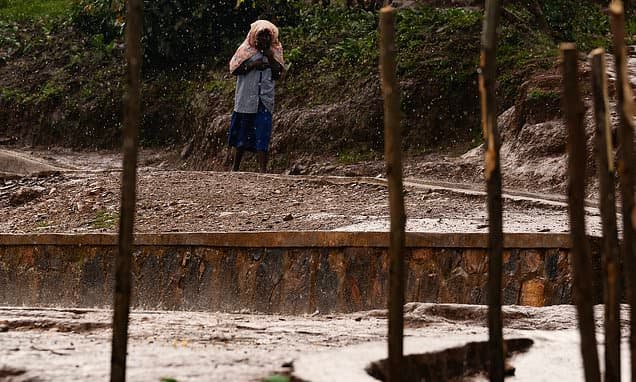
In Rwanda, the predictable rainfall essential for millions of its poorest citizens has become a source of peril. The nation, known as the Land of a Thousand Hills, traditionally depended on consistent rain for food production, with its first rainy season from March to May. However, evolving climate patterns have led to intense downpours outside this established window, prompting warnings from the national meteorological agency.
Rural landscapes, dotted with homes among agricultural fields, mask the growing threat of climate-driven food insecurity. Eighty percent of Rwanda's 14 million inhabitants work in agriculture, a sector now grappling with intensified climate challenges. Women are identified as particularly vulnerable, often working longer hours for less pay and facing worse health outcomes and gender-based violence.