Home / Environment / Ruhr's Industrial Past Reborn as Green Future
Ruhr's Industrial Past Reborn as Green Future
3 Jul
Summary
- Former industrial sites in Germany's Ruhr are being transformed into active systems.
- The International Garden Exhibition 2027 highlights this shift from extraction to experience.
- Restored Emscher river shows a 30-year transformation from sewer to living waterway.
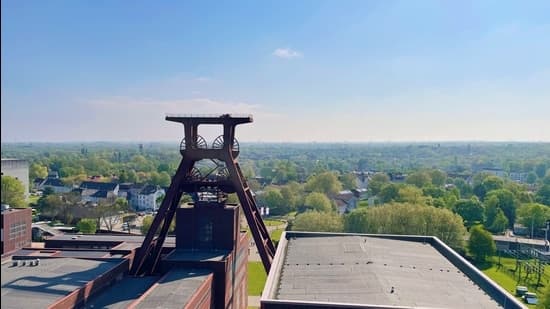
The Zollverein Coal Mine Industrial Complex in Germany's Ruhr region is a prime example of industrial sites being redeveloped. These areas are now active systems undergoing repair and reconnection, set against the backdrop of the International Garden Exhibition 2027. The region is shifting from its industrial extraction past to a focus on experience and green living.
Across the Ruhr, this transformation is evident. In Duisburg's Rheinpark, a former ironworks site is becoming the city's largest inclusive playground. This regeneration involves intricate engineering, sealing contamination and establishing new ecosystems to create social infrastructure. Former coking plants and industrial halls are now venues for concerts and cultural events.
Dortmund and Gelsenkirchen are reshaping industrial land into climate-adaptive terrains and integrating existing infrastructure into new ecological layers. The restoration of the Emscher river, once an open sewer, into a living waterway over 30 years, serves as a central element for these regeneration efforts. These 'Future Gardens' act as innovation hubs for climate-resilient design and urban living.
The International Garden Exhibition 2027, running from April to October, is expected to draw over three million visitors. However, its lasting impact will be the ongoing evolution of the Ruhr, where former industrial sites are now spaces for understanding history and building sustainable, green lifestyles on reclaimed land.


