

Home / Environment / Robotic Birds Revive Sage Grouse Habitats
Robotic Birds Revive Sage Grouse Habitats
10 Apr
Summary
- Robotic decoys mimic sage grouse to attract wildlife to restored habitats.
- Grouse populations have declined by 80 percent across the West since 1965.
- Grand Teton National Park uses robots to address habitat loss and airport risks.
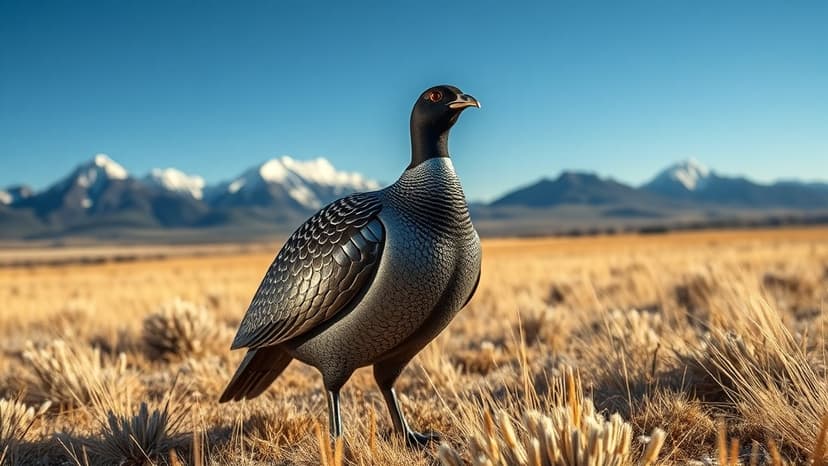
Scientists are utilizing robotic decoys, designed to resemble sage grouse, to aid in the recovery of fragile ecosystems within American national parks. A key initiative is happening at Grand Teton National Park in Wyoming, where these "Frankenbirds" are programmed to replicate the species' courtship rituals.
The goal is to stimulate activity in restored habitats, thereby encouraging actual sage grouse to return and breed. This intervention is crucial as sage grouse populations have seen an 80 percent decline across the West since 1965, with dramatic drops in male counts at specific breeding grounds.
Habitat degradation from cattle grazing and risks from the Jackson Hole Airport, located within the park, have contributed to the species' struggles. Restoration efforts include replanting native vegetation on former pastures to create safer breeding areas.
Researchers are currently monitoring whether the robotic displays successfully attract real sage grouse back to the restored lek sites during the breeding season. If this project proves effective, similar robotic solutions could be implemented in other national parks facing wildlife management challenges.
