Home / Environment / Tiny Riverflies Reveal Forth River's Health Secrets
Tiny Riverflies Reveal Forth River's Health Secrets
19 Feb
Summary
- Riverfly larvae presence indicates water quality.
- Citizen science protocol uses kick-sampling and hand-searching.
- Mayfly larvae have three tails; stonefly larvae have two.
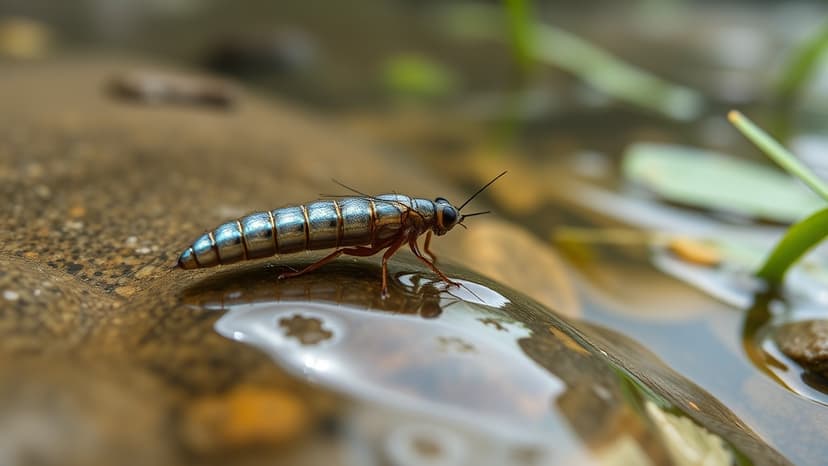
In a wooded glen near Ligoniel, conservation officers from the Belfast Hills Partnership (BHP) engage in meticulous riverfly monitoring of the Forth River. This citizen science initiative employs a protocol to assess water quality by examining aquatic invertebrates. The presence and abundance of species like mayfly and stonefly larvae serve as key indicators of the river's health.
During the survey, officers use kick-sampling and hand-searching techniques to collect samples from the riverbed. They disturb the substrate, net drifting material, and scrub stones to dislodge organisms. These tiny creatures are then transferred to trays for identification and counting. This data is invaluable to the Northern Ireland Environment Agency for understanding local water conditions.