Home / Environment / Rivers Reborn: From Toxic Wasteland to Vibrant Waterways
Rivers Reborn: From Toxic Wasteland to Vibrant Waterways
22 Mar
Summary
- Floating eco-parks filter pollution and create wetlands.
- Community efforts transform neglected rivers into thriving ecosystems.
- Once declared 'biologically dead,' rivers now teem with life.
World Water Day highlights the global effort to protect and restore rivers, with several projects showcasing remarkable comebacks. In Chicago, the Wild Mile project, launched in 2016, features floating eco-parks with plants that filter pollutants and restore wetlands. Volunteers actively remove trash and monitor the habitat, while the reintroduction of mussels has significantly improved water quality.
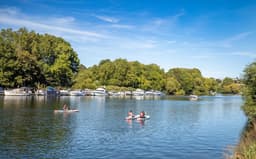
Los Angeles' once concrete-bound river is undergoing transformation thanks to poet Lewis MacAdams and his non-profit Friends of the Los Angeles River. Their advocacy led to a $1.6 billion federal project focused on restoration, green spaces, and new wetlands. Similarly, the River Thames in London, declared "biologically dead" in the 1950s due to severe pollution, has seen a dramatic recovery. Decades of cleanup efforts, improved sewage treatment, and strict regulations have allowed fish populations to return, making it one of the cleanest rivers today.
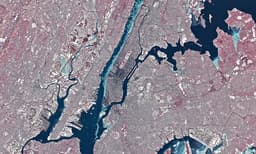
In Manila, the Pasig River, choked with waste, is being tackled by "River Warriors," a dedicated group removing tons of trash daily. Their persistent efforts, now supported by the local government, prevent significant amounts of waste from reaching the oceans. New York City's Bronx River, once an industrial dumping ground, is also experiencing a revival through community-led restoration projects. Initiated in 1974, these efforts involve volunteer cleanups and organized events, transforming the waterway into a sustainable natural resource.