

Home / Environment / Rio's Lost Macaws Return: A Feathered Comeback
Rio's Lost Macaws Return: A Feathered Comeback
9 Apr
Summary
- Blue-and-yellow macaws reintroduced to Rio's Tijuca National Park after 200 years.
- The 'refaunation' project aims to restore ecological balance and lost species.
- Reintroduction efforts focus on rebuilding ecosystems, not just spectacle.
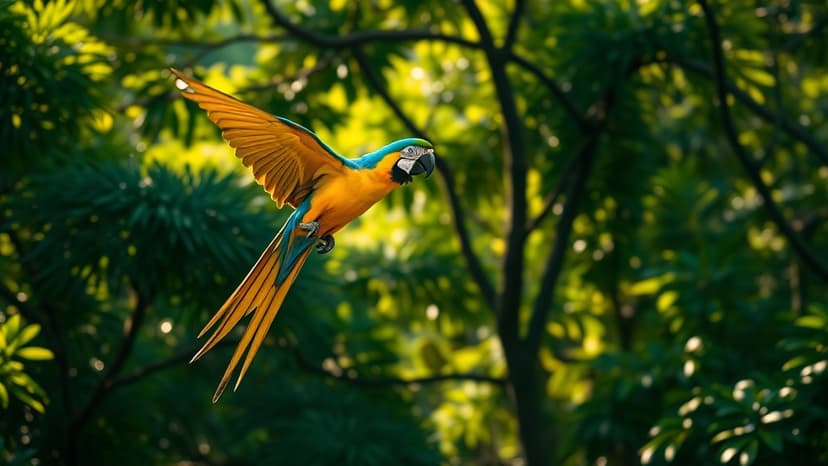
The blue-and-yellow macaw, long absent from Rio de Janeiro's urban landscape, is making a comeback in Tijuca National Park. This iconic bird, first described in the region in the 16th century, had disappeared due to deforestation and wildlife trafficking, with experts estimating similar fates for tapirs and jaguars.
Now, 200 years later, the 'refaunation' project by Refauna is actively reintroducing not only macaws but also other species like agoutis, yellow-footed tortoises, and howler monkeys. These efforts aim to restore the park's ecological balance, as many of its flora depend on animal seed dispersal.
The reintroduction of species like the agouti has already shown results, with the rodent helping to disperse seeds crucial for forest regeneration. The macaws, known for their intelligence and long-term pair bonding, are expected to aid in seed dispersal over greater distances.
Refauna is carefully monitoring the reintroduction of the four macaws currently in the park, with plans to release six more and eventually a total of 50. The project emphasizes rebuilding ecological relationships and ensuring native species can fulfill their natural roles within the ecosystem.
