Home / Environment / Caution Urged: Red Tide Detected Off Fort George Island
Caution Urged: Red Tide Detected Off Fort George Island
14 Aug
Summary
- Medium red tide concentrations detected near Fort George Island.
- Health alert issued for waters near Kingsley Plantation.
- Toxins can cause eye, skin, and respiratory irritation.
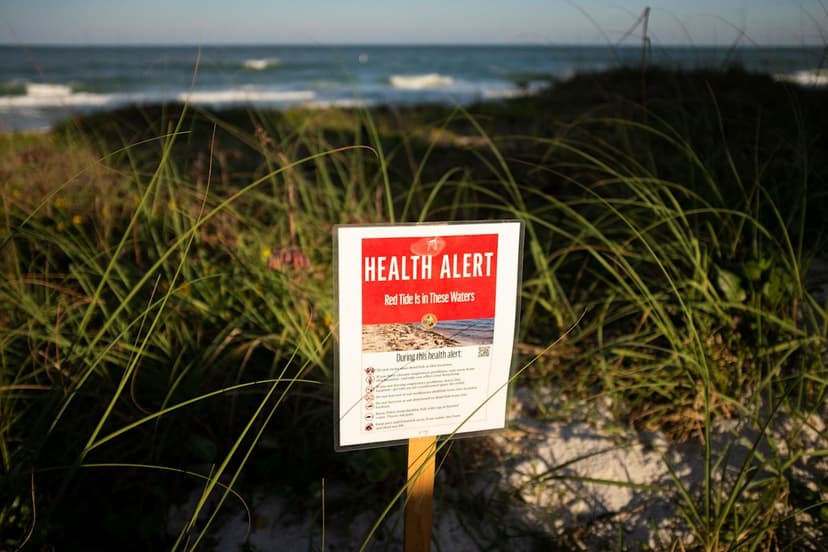
Medium concentrations of red tide have been detected near Fort George Island, prompting health officials to urge caution for those planning to visit the area, including Big Talbot Island and Little Talbot Island. A health alert was issued for waters near Kingsley Plantation, north of the Fort George River, based on a water sample taken on August 11, 2026. Testing results from August 14, 2026, confirmed medium concentrations of the red-tide organism Karenia brevis, ranging from 100,000 to 1 million cells per liter.
Red tide occurs when microscopic algae, Karenia brevis, bloom in elevated concentrations, sometimes causing the water to appear red or brown. The toxins released by these algae can become airborne through wind and waves, leading to symptoms such as burning or irritated eyes, skin irritation, and respiratory problems for people near the shoreline. Individuals with chronic respiratory conditions, children, older adults, and those with weakened immune systems may be more susceptible to severe symptoms.
Health officials recommend avoiding swimming in or near areas with red tide. If contact occurs, rinse thoroughly with fresh water. It is also advised to avoid eating shellfish harvested from affected areas. Pets are also at risk; experts advise keeping them out of affected waters and away from dead marine life. If pets enter the water, they should be washed with soap and fresh water as soon as possible.
Red tide conditions are dynamic and can change with water movement and wind. The Florida Fish and Wildlife Conservation Commission regularly monitors these conditions statewide. Residents and visitors can check for the latest water-quality and harmful algal bloom information through resources like Protecting Florida Together and the FWC's current red tide status map.


