Home / Environment / Record Heat Grips US, Leaving Thousands Without Power
Record Heat Grips US, Leaving Thousands Without Power
30 Sep
Summary
- July 2026 saw record-breaking heat across the contiguous US.
- Over 173,000 households lost power in 10 states during July 2026.
- Rising electricity costs force families to cut back on necessities.
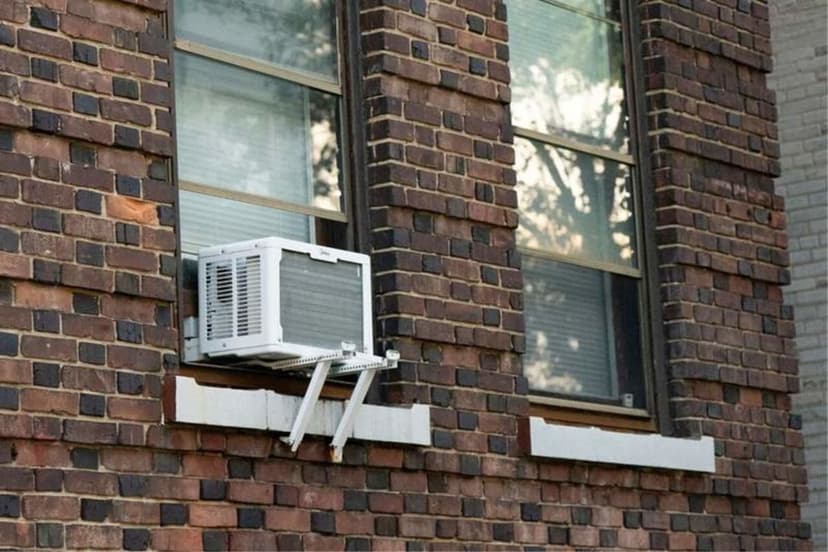
July 2026 set a new record as the hottest month documented in the contiguous United States. Intense heatwaves across the nation drove average temperatures to unprecedented levels, similar to the Dust Bowl era.
As a direct consequence, electricity bills surged, making them unaffordable for many households. Data revealed that 173,598 homes in 10 states and Washington D.C. experienced power disconnections in July 2026. This represents a notable increase from previous years.
This trend is alarming, as extreme heat becomes a more significant public health concern amid rising global temperatures. While this data spans a short period, exceptional factors like global energy supply disruptions, a strong El Niño, and increased demand from AI data centers may have contributed.
Families are facing difficult choices, cutting back on food or medicine to pay for electricity, or resorting to loans. Protections are failing, with vulnerable populations risking their health by not using air conditioning during dangerous heatwaves.
The crisis is national, with 13.4 million residential electricity disconnections reported in 2024 alone, primarily in southern states. Electricity prices are outpacing general inflation, with utility bills rising significantly year-over-year.
Nationally, average electricity bills reached an all-time high of $217 in July 2026. This increase is partly attributed to strong household demand for cooling during the summer months.
In a warming world, air conditioning is a necessity, not a luxury, especially in southern and central states where extreme heat is already the deadliest weather hazard. Projections indicate more days above 95 degrees Fahrenheit annually due to climate change.
Rising humidity exacerbates the danger of heatwaves. Predictions suggest a doubling of days with heat indices above 100 degrees F and a tripling of days above 105 degrees F by mid-century.
The combination of rising temperatures and electricity costs threatens lives. The upcoming year could be particularly severe, with a record-breaking El Niño expected to intensify the extreme heat already driven by climate change.


