Home / Environment / Earth's heat spike: Records to shatter by 2030
Earth's heat spike: Records to shatter by 2030
16 Jun
Summary
- Global temperatures likely to remain at record highs for five years.
- An 86% chance exists for a new warmest year between 2026 and 2030.
- Temporary temperature breaches of 1.5C above pre-industrial levels are expected.
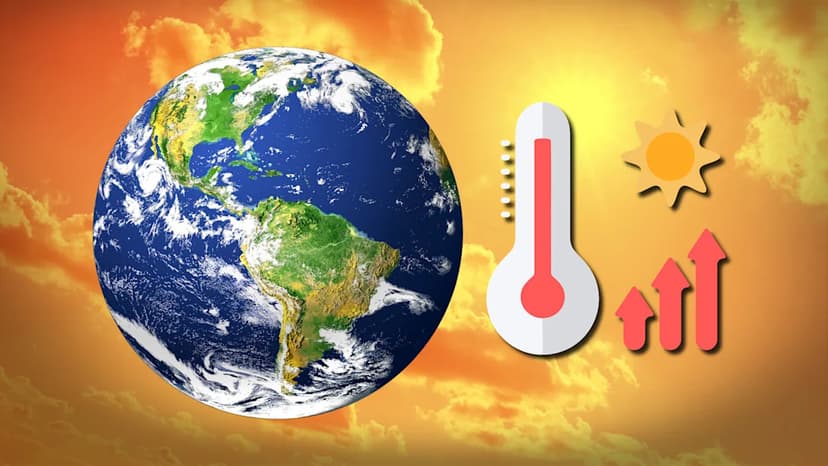
The upcoming five-year period is predicted to witness unprecedented global temperature records due to ongoing climate change. A report from the World Meteorological Organization, based on analysis by the U.K.'s Met Office, suggests that worldwide average temperatures are likely to remain at or near historic highs. Specifically, annual near-surface temperatures from 2026 to 2030 are expected to range between 1.3 C and 1.9 C above the 1850-1900 average.
There is a significant 86% likelihood that one year within this timeframe will become the warmest on record, surpassing 2024. Experts note that an anticipated El Niño event towards the end of 2026 could contribute to 2027 being a record-breaking year. Furthermore, the report warns of a 91% chance that global average temperatures will temporarily exceed 1.5 C above pre-industrial levels at least once between 2026 and 2030, a threshold that was already approached in 2024.
The WMO emphasizes high confidence in these yearly temperature projections. While temporary exceedances of the 1.5 C and 2.0 C thresholds outlined in the Paris Agreement are expected, they do not preclude achieving the agreement's long-term warming goals. These goals refer to sustained warming over much longer periods, typically 20 years, rather than brief annual spikes.


