feedzop-word-mark-logo
searchLogin
Feedzop
homeFor YouIndiaIndia
You
bookmarksYour BookmarkshashtagYour Topics
Trending
Terms of UsePrivacy PolicyAboutJobsPartner With Us

© 2026 Advergame Technologies Pvt. Ltd. ("ATPL"). Gamezop ® & Quizzop ® are registered trademarks of ATPL.

Gamezop is a plug-and-play gaming platform that any app or website can integrate to bring casual gaming for its users. Gamezop also operates Quizzop, a quizzing platform, that digital products can add as a trivia section.

Over 5,000 products from more than 70 countries have integrated Gamezop and Quizzop. These include Amazon, Samsung Internet, Snap, Tata Play, AccuWeather, Paytm, Gulf News, and Branch.

Games and trivia increase user engagement significantly within all kinds of apps and websites, besides opening a new stream of advertising revenue. Gamezop and Quizzop take 30 minutes to integrate and can be used for free: both by the products integrating them and end users

Increase ad revenue and engagement on your app / website with games, quizzes, astrology, and cricket content. Visit: business.gamezop.com

Property Code: 5571

Home / Environment / Photographers' Mistake Kills Rare 'Galaxy Frogs'

Photographers' Mistake Kills Rare 'Galaxy Frogs'

17 Dec, 2025

•

Summary

  • Endangered galaxy frogs died after photographers handled them without gloves.
  • Microhabitats of rare frogs were destroyed by photographers seeking photos.
  • Researchers found the frogs' homes destroyed and the species missing.
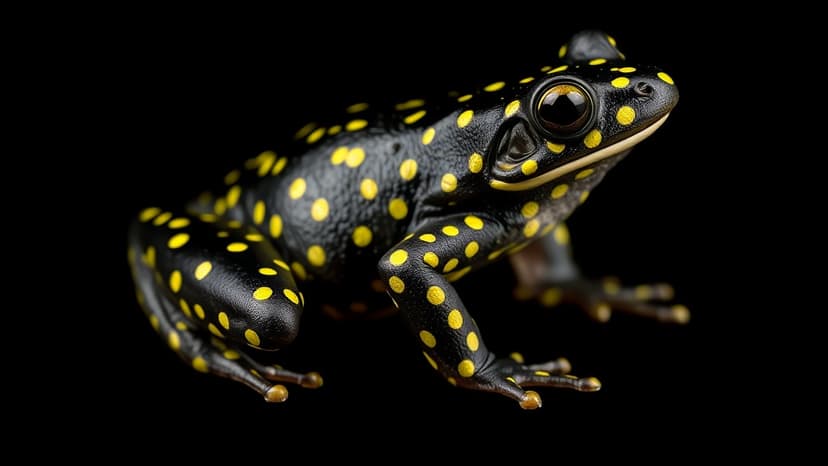
Photographers' Mistake Kills Rare 'Galaxy Frogs'

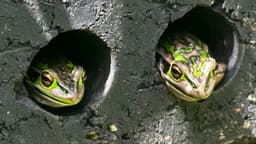
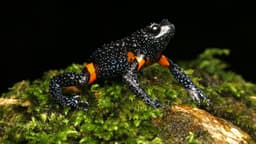
A tragedy has befallen the unique "galaxy frogs" of Kerala's rainforest, with a group of these endangered amphibians now presumed dead. Their demise is attributed to the actions of nature photographers who, in their pursuit of captivating images, destroyed the frogs' delicate microhabitats and mishandled the creatures. The frogs, scientifically known as Melanobatrachus indicus, are the sole members of their family and are found under logs in the Western Ghats rainforest.

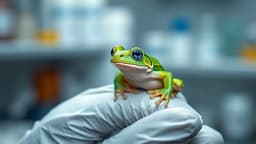
Researcher Rajkumar K P discovered the frogs in early 2020 but was unable to visit them for an extended period due to the Covid pandemic. Upon his return, he found their habitat, including a large fallen log, severely disturbed and the frogs gone. Investigation by trackers revealed that photographers had been overturning logs, capturing the frogs, and posing them for pictures without wearing gloves, despite the frogs' skin-breathing sensitivity.

trending

District employees commit fraud

trending

EPL table: Arsenal leads

trending

Music labels invest in films

trending

Anil Agarwal son death

trending

Arsenal vs Liverpool Premier League

trending

CUET PG 2026 registration

trending

Real Madrid reach Supercup final

trending

Delhi temperature drops to 5.8°C

trending

PVR Inox bets premium

Tragically, one tracker reported that two galaxy frogs died due to prolonged handling. This incident has left researchers like Rajkumar feeling helpless, highlighting a disregard for conservation efforts. Efforts by forest department officers to prevent such intrusions are sometimes circumvented by influential individuals, raising concerns about the future of irreplaceable species like the galaxy frog.

Disclaimer: This story has been auto-aggregated and auto-summarised by a computer program. This story has not been edited or created by the Feedzop team.
The galaxy frogs are endangered due to habitat destruction and mishandling by humans, particularly photographers.
A group of galaxy frogs disappeared after photographers disturbed their habitat and handled them improperly, leading to their deaths.
Rajkumar K P is a researcher from the Zoological Society of London who discovered and studied the endangered galaxy frogs in Kerala's rainforest.

Read more news on

Environmentside-arrow

You may also like

New Species Discovered: Many Already Face Extinction

13 hours ago • 2 reads

article image

Extraordinary Species Face Extinction Crisis

1 day ago • 31 reads

article image

Starry Frogs Vanish: Wildlife Photography's Dark Side

3 Jan • 27 reads

article image

Ancient Ape-Like Fossil Could Be Our Earliest Ancestor

3 Jan • 21 reads

India's Wildlife Roars Back: 5 Species Saved!

8 Dec, 2025 • 165 reads

article image