Home / Environment / Radioactive Cargo Sparks Controversy: Authorities Debate Responsibility
Radioactive Cargo Sparks Controversy: Authorities Debate Responsibility
28 Oct, 2025
Summary
- Shipment of zinc dust tainted with cesium-137 rejected by Indonesia
- Responsibility disputed between Chinese trader and Philippine steelmaker
- Steelmaker denies connection, claims it lacks expertise to handle radioactive waste
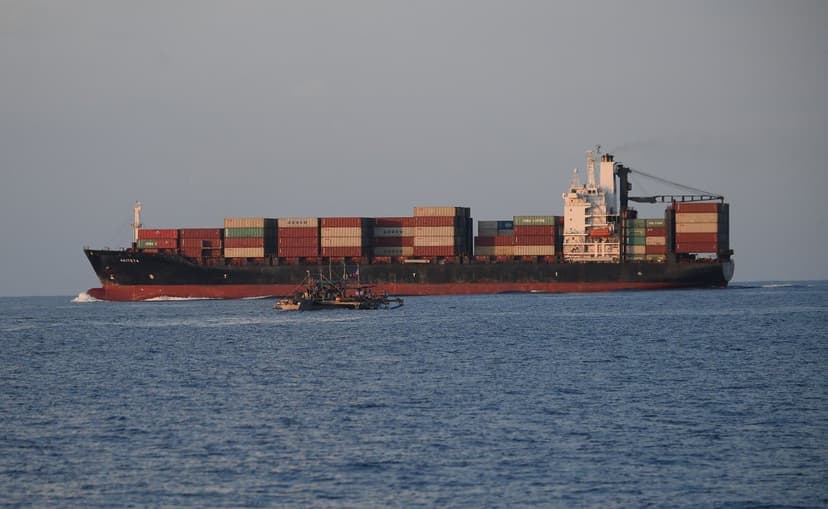
As of October 28, 2025, a ship carrying containers of zinc dust tainted with radioactive cesium-137 remains stranded off the Philippine coast. The controversy began when Indonesian authorities rejected the shipment after detecting the radioactive material. The containers, originally exported by a Chinese trading firm, were reportedly sent back to SteelAsia Manufacturing, the Philippines' largest steelmaker.
However, SteelAsia has denied any connection to the contaminated cargo, insisting that the material was just a byproduct of steel production and that the company is not equipped to handle radioactive waste. The Philippine Nuclear Research Institute (PNRI) has placed responsibility on SteelAsia, but the company has rejected the PNRI's findings as "baseless."
The situation has created a standoff, with the cargo remaining offshore until a competent government agency formally assumes custody. SteelAsia has stated that it is taking legal steps to safeguard its interests and is considering consultations with foreign experts to address the radioactive incident.


