Home / Environment / Rabi Crops Face Drought Threat as Rains Falter
Rabi Crops Face Drought Threat as Rains Falter
18 Oct
Summary
- Rabi crops, unlike kharif, depend on soil moisture, irrigation, and winter rain.
- Major states like Rajasthan and Maharashtra face significant rainfall deficits.
- Farmers are banking on winter rains from Western Disturbances for crop success.
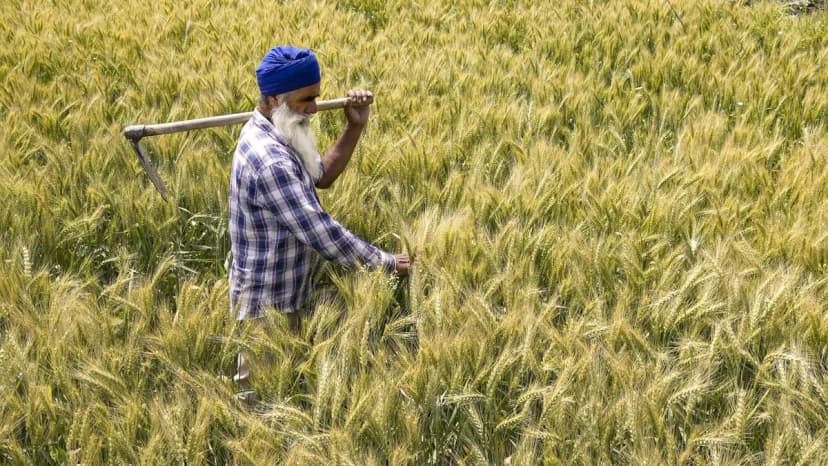
The upcoming rabi crop season in India faces significant challenges due to widespread rainfall deficits and the lingering effects of El Niño. Unlike the kharif crops, rabi crops are sown in winter and depend on residual soil moisture, irrigation, and crucial winter rains.
Several key agricultural states are experiencing alarming rain shortfalls. Rajasthan and Maharashtra, in particular, have declared drought-hit conditions in a majority of their talukas. Madhya Pradesh has also seen a substantial deficit in October rainfall.
Farmers in regions like Punjab and Haryana, however, have seen some relief with recent rainfall, potentially allowing for timely wheat sowing. These states, along with Uttar Pradesh, Madhya Pradesh, and Rajasthan, are crucial for India's rabi production, including wheat, mustard, and pulses.
The vulnerability is particularly acute for rain-fed pulses and oilseeds, where sowing decisions are directly tied to precipitation. Insufficient water in reservoirs and the potential for El Niño-induced terminal heat further threaten crop yields and production targets.


