Home / Environment / Punjab's Rivers Choked: 800 Pollution Sources Still Active
Punjab's Rivers Choked: 800 Pollution Sources Still Active
12 Jul
Summary
- 800 of 1,574 identified pollution sources remain active in Punjab's waters.
- A Rajya Sabha MP criticizes the effectiveness of the state's pollution control measures.
- Ghaggar and Sutlej rivers identified as Priority-I polluted river stretches.
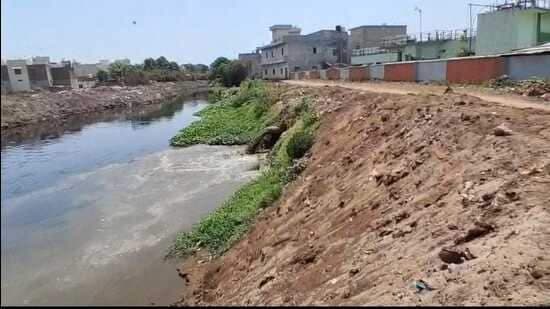
As of July 6, 2026, Punjab faces ongoing challenges in combating water pollution, with 800 out of 1,574 identified sources actively discharging untreated wastewater into rivers and drains. The Punjab Pollution Control Board (PPCB) submitted this report to the National Green Tribunal (NGT), noting that while 774 sources have been addressed, significant intervention is still required for the remaining active ones. This includes industrial units, village wastewater outlets, and urban discharge points.
Environmental concerns have been amplified by Rajya Sabha MP Balbir Singh Seechewal, who questioned the efficacy of the state's substantial investment in water treatment plants, many of which are reportedly underperforming. He emphasized a gap between the PPCB's notice issuance and effective ground-level enforcement.
Currently, only the Ghaggar and Sutlej rivers are classified as Priority-I polluted river stretches. The Ghaggar basin is heavily impacted by 13 major drains and untreated sewage from urban and rural areas. The Sutlej basin faces an even greater challenge, with numerous drains and a significant sewage treatment deficit from urban local bodies, compounded by a large number of industrial units.
The notorious Buddha Nullah remains a critical environmental concern, receiving wastewater from 156 outlets, including domestic sewage, industrial effluents, and dairy waste. While efforts are underway to manage dairy waste through biogas plants, the sheer volume of waste poses a continuous challenge. Updated action plans for the Ghaggar and Sutlej are being implemented, focusing on sewage treatment and industrial effluent management, but the pervasive pollution indicates long-term restoration efforts are far from complete.


