

Home / Environment / Pune's Lakes Gasp: Fish Die Amidst Neglect
Pune's Lakes Gasp: Fish Die Amidst Neglect
13 Apr
Summary
- Pashan Lake experienced a fish kill, prompting official probes and suspensions.
- Untreated sewage inflow causes water hyacinth, choking lake ecosystems.
- Lakes receive less urgent planning attention than rivers in Pune.
Recent images of dead fish at Pashan Lake in Pune underscore a recurring ecological crisis. The Pune Municipal Corporation has responded swiftly, suspending officials and launching investigations into a nearby sewage treatment plant found shut, following a drop in the lake's dissolved oxygen levels. This incident echoes past environmental shocks at other Pune lakes.
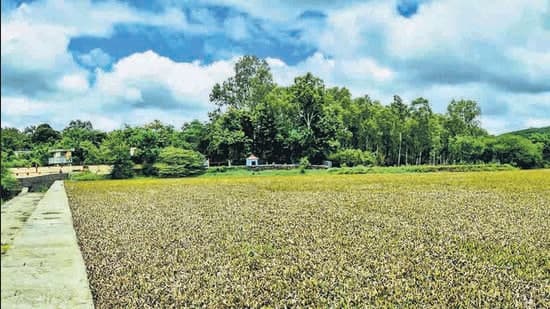
Lakes such as Katraj and Jambhulwadi have historically struggled with neglect and sewage inflow, leading to extensive water hyacinth growth. This vegetation, thriving on nutrient-rich water from untreated sewage, blocks sunlight and depletes oxygen, severely impacting aquatic ecosystems. Removing hyacinth annually costs crores but offers only temporary relief.
While Pune's Mula-Mutha river project receives significant attention and investment, the city's lakes are often treated as localized, reactive issues. This disparity in planning urgency overlooks the critical link between lake health and the overall water system; stressed lakes inevitably affect river recovery.
Consistent, everyday management is crucial for Pune's lakes. This includes ensuring STPs function correctly, controlling sewage inflow, and establishing clear responsibilities. The current situation at Pashan Lake, like other lakes, reflects a buildup of long-term issues rather than a sudden failure.
As investigations continue, the focus remains on immediate lapses. However, the enduring challenge for Pune's lakes—from Pashan to Katraj—is securing consistent attention and preventative care to avert future ecological disasters. The health of these local water bodies is vital for the city's broader environmental well-being.
