Home / Environment / Portugal's Nuclear Blind Spot: EU Pushes Atomic Power
Portugal's Nuclear Blind Spot: EU Pushes Atomic Power
12 Mar
Summary
- Portugal currently has no nuclear power production or reactors.
- EU sees nuclear as key to climate goals, Portugal's minister disagrees.
- Expert highlights nuclear's role in energy sovereignty and decarbonization.
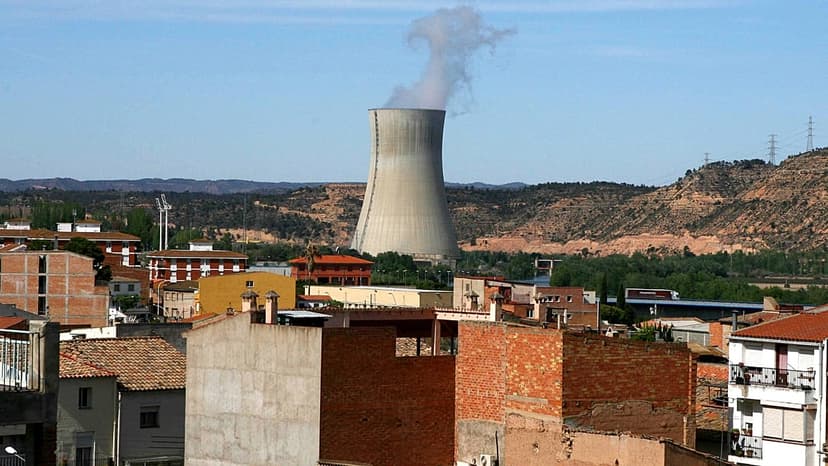
Portugal has not invested in nuclear energy, a sector the European Union now champions for achieving climate neutrality. The European Commission president stated Europe made a strategic mistake by moving away from nuclear power, announcing €200 million for its development.
Portugal's Minister for the Environment and Energy believes nuclear is unsuitable for the country, citing high costs without domestic technology and the comparative simplicity of renewables. However, an expert from the Institute of Plasmas and Nuclear Fusion suggests a thorough cost study is needed, emphasizing nuclear's importance for energy sovereignty.
While renewables are part of the energy mix, they cannot be the sole source, according to experts. The researcher advocates for a 'Total System Cost Study' to inform Portugal's energy strategy. The EU saw a 4.8% increase in nuclear electricity generation in 2024, accounting for 23.3% of total production.
Developing nuclear energy requires significant upfront investment and time, with small modular reactors (SMRs) offering a potentially more accessible starting point. Portugal could also contribute through component manufacturing or producing purified salt for advanced reactor types.
Discussions around nuclear fusion, aiming to replicate the sun's energy production, are ongoing, with significant investment from Europe, the US, and China. Portugal participates in the International Thermonuclear Experimental Reactor (ITER) project, aiming to demonstrate sustained energy production.
Concerns about nuclear safety, such as those linked to Fukushima and Chernobyl, are being addressed through stricter regulations and advanced technologies. Experts argue that the amount of radioactive waste is manageable and can be safely stored, debunking myths about its quantity and disposal.