Home / Environment / Pompeii: Frozen in Time by Volcanic Fury
Pompeii: Frozen in Time by Volcanic Fury
4 Jun
Summary
- Vesuvius erupted on August 24, 79 CE, burying Pompeii.
- Pyroclastic surges, traveling at 180 mph, engulfed the city.
- Excavations began in the 18th century, revealing a preserved Roman world.
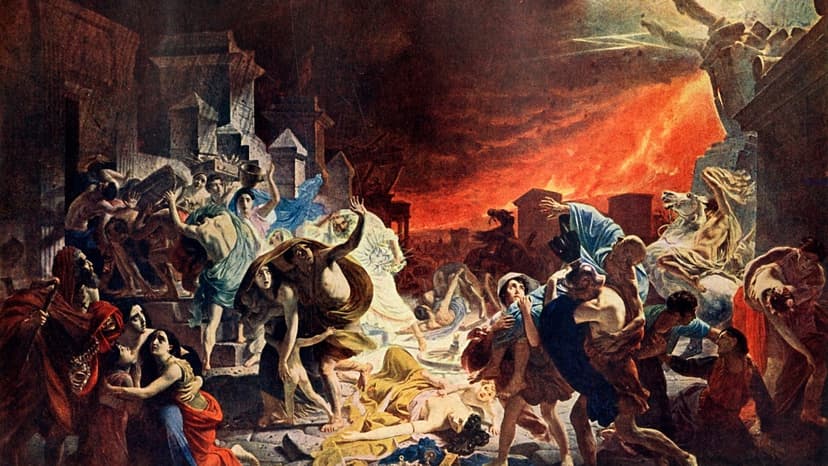
Mount Vesuvius unleashed its fury on August 24, 79 CE, burying the thriving Roman city of Pompeii. A colossal plume of ash and debris shot miles into the sky, plunging the city into darkness.
Deadly pyroclastic surges, traveling at nearly 180 miles per hour, swept down Vesuvius's slopes, engulfing Pompeii. The city vanished beneath layers of volcanic material up to 9 feet deep, preserving buildings, objects, and the remains of its inhabitants.
Pompeii lay hidden for centuries until its rediscovery in the late 16th century. Systematic excavations began in the 18th century, revealing an astonishingly preserved snapshot of Roman daily life, from bakeries to villas.
Today, Pompeii is a UNESCO World Heritage Site, attracting millions of visitors. It stands as a powerful testament to nature's destructive force and a unique window into the ancient world.


