Home / Environment / Polar Bears Near Towns: Not Starvation, Says Study
Polar Bears Near Towns: Not Starvation, Says Study
14 Mar
Summary
- Shrinking sea ice forces polar bears onto land for longer periods.
- Bears visit human sites more often due to proximity, not hunger.
- Community management is key to polar bear safety and coexistence.

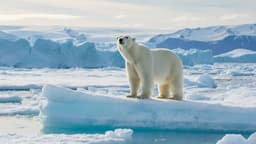
Polar bears, reliant on sea ice for hunting seals, are spending more time on land as Arctic ice diminishes. This extended time ashore increases their proximity to human settlements and industrial sites.
Recent research debunks the notion that these closer encounters are primarily driven by starvation. Analysis of polar bear body condition indicates most are not severely malnourished, suggesting that increased land presence, not widespread hunger, is the main reason for their appearances near human areas.
Distinguishing between encounters and conflicts is vital. While encounters are common, conflicts arise from injuries or aggressive interventions, influenced by factors like attractants such as unsecured garbage and human behavior. Northern communities' traditional knowledge aligns with scientific findings, highlighting that bear movements are predictable and linked to longer ice-free seasons.
Technological advancements like motion-triggered cameras aid in monitoring bear behavior and correlating it with sea ice data. This helps in understanding how environmental changes affect bear movements. Communities are adapting safety strategies through waste management, patrol teams, and educational programs to foster coexistence with polar bears.