Home / Environment / Arctic's White Giants Face Grim Future
Arctic's White Giants Face Grim Future
27 Feb
Summary
- International Polar Bear Day raises awareness for polar bear preservation.
- Climate change drastically reduces Arctic sea ice, their natural habitat.
- Polar bears are a vulnerable species facing threats from climate change and commercial activities.
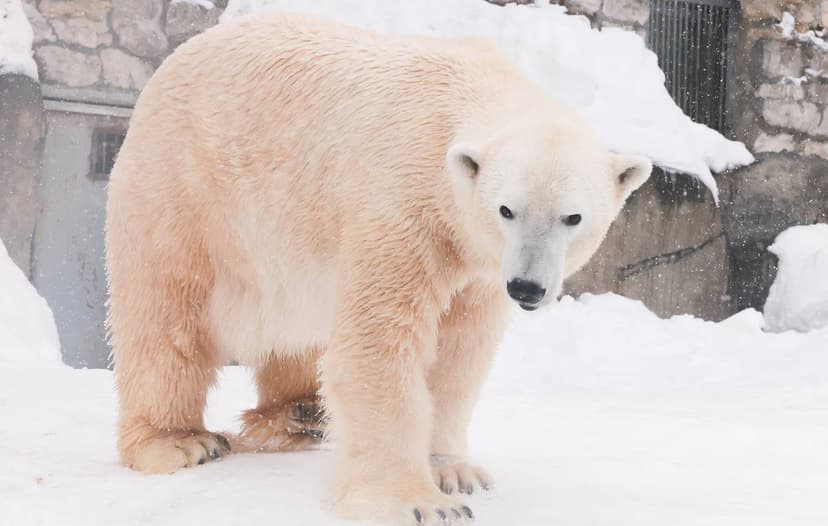
February 27th marks International Polar Bear Day, an observance initiated by Polar Bears International to promote global efforts for polar bear preservation.
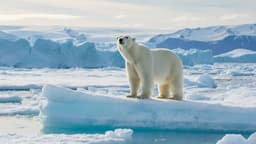
This day falls at a vulnerable time for polar bears with cubs in their dens. The initiative encourages actions like reducing home heating to combat global warming, which directly impacts the Arctic Ocean's ice cap, the polar bear's essential habitat. These bears, scientifically known as Ursus maritimus or 'sea bears', are among Earth's largest land predators.
Globally, an estimated 26,000 polar bears exist across various populations, with a significant portion residing in Canada. Three distinct groups inhabit Russia, specifically the Kara-Barents Sea, Laptev, and Chukchi-Alaska regions. These bears are listed as 'vulnerable' on the IUCN Red List, threatened by climate change, commercial activities like oil and gas exploration, pollution, hunting, and poaching.
Historical conservation efforts include an international agreement signed on November 15, 1973, by several nations to ban commercial and sporting hunting. More recently, on October 16, 2000, the US and Russia signed an agreement to regulate the use of the Chukchi-Alaskan polar bear population by indigenous peoples. Collaborative action plans have been implemented, with the latest cooperation extending until 2028.