feedzop-word-mark-logo
searchLogin
Feedzop
homeFor YouIndiaIndia
You
bookmarksYour BookmarkshashtagYour Topics
Trending
Terms of UsePrivacy PolicyAboutJobsPartner With Us

© 2026 Advergame Technologies Pvt. Ltd. ("ATPL"). Gamezop ® & Quizzop ® are registered trademarks of ATPL.

Gamezop is a plug-and-play gaming platform that any app or website can integrate to bring casual gaming for its users. Gamezop also operates Quizzop, a quizzing platform, that digital products can add as a trivia section.

Over 5,000 products from more than 70 countries have integrated Gamezop and Quizzop. These include Amazon, Samsung Internet, Snap, Tata Play, AccuWeather, Paytm, Gulf News, and Branch.

Games and trivia increase user engagement significantly within all kinds of apps and websites, besides opening a new stream of advertising revenue. Gamezop and Quizzop take 30 minutes to integrate and can be used for free: both by the products integrating them and end users

Increase ad revenue and engagement on your app / website with games, quizzes, astrology, and cricket content. Visit: business.gamezop.com

Property Code: 5571

Home / Environment / Plug-In Hybrids Emit Nearly 5 Times More Pollution Than Lab Tests Suggest

Plug-In Hybrids Emit Nearly 5 Times More Pollution Than Lab Tests Suggest

16 Oct, 2025

•

Summary

  • Plug-in hybrids emit 4.9 times more CO2 in real-world driving than in lab tests
  • Plug-in hybrids only reduce emissions by 19% compared to petrol and diesel cars
  • Plug-in hybrids are more expensive to drive and buy than clean alternatives
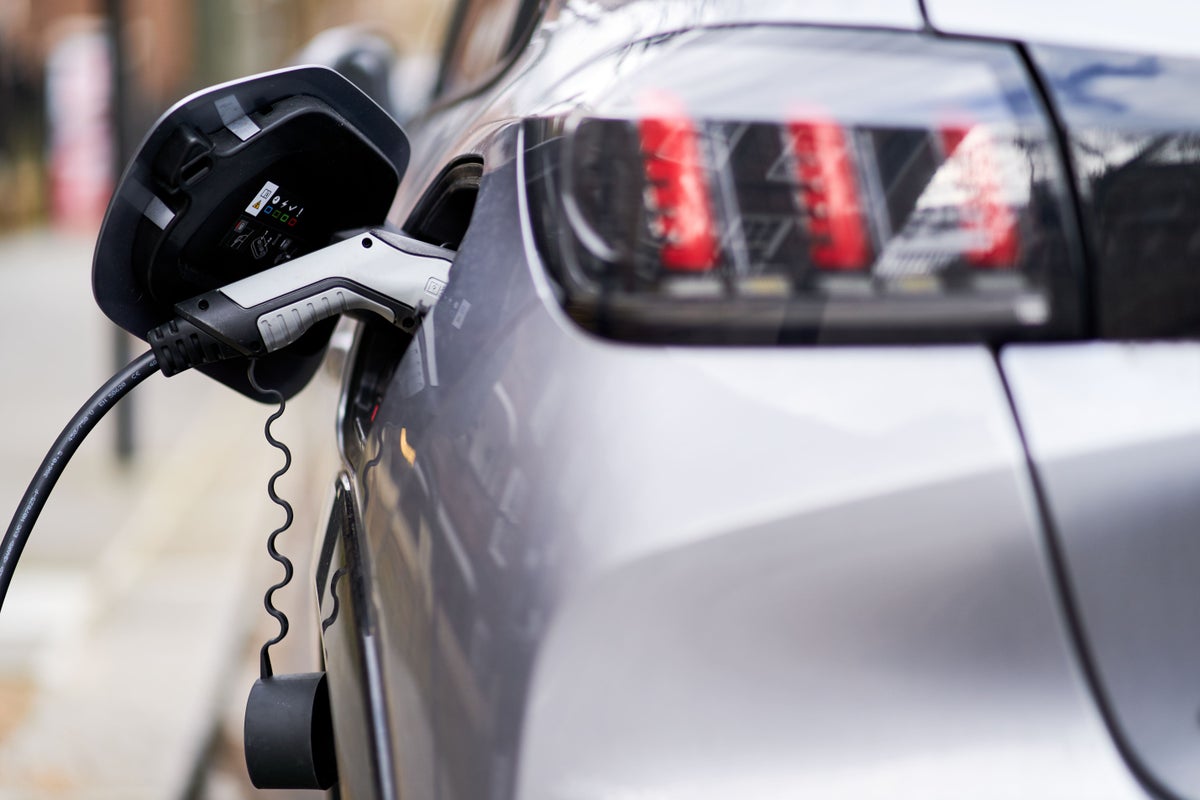
Plug-In Hybrids Emit Nearly 5 Times More Pollution Than Lab Tests Suggest

According to a recent analysis, plug-in hybrid vehicles (PHEVs) are failing to live up to their emissions-reducing claims. The non-profit group Transport and Environment examined data from 800,000 European cars between 2021 and 2023 and found that PHEVs emit nearly five times more "real-world" pollution than suggested by lab tests.

The report revealed that PHEVs only reduce CO2 emissions by 19% compared to traditional petrol and diesel cars, a far cry from the 75% reduction previously claimed in lab tests. This growing gap between official and actual emissions is a major concern, as PHEVs are now polluting almost as much as regular gasoline-powered vehicles.

The issue is exacerbated by the trend towards longer electric ranges in PHEVs. Bigger batteries make the vehicles heavier, causing them to burn more fuel when operating in engine mode. Even when driven in electric-only mode, the electric motors often lack the power to operate alone, requiring the combustion engine to kick in for nearly a third of the distance.

trending

Rishabh Pant ruled out

trending

Stoinis trolled after BBL send-off

trending

Yuvraj coaches Sanju Samson

trending

Vedanta demerger gets final nod

trending

Instagram denies data breach

trending

India vs New Zealand scorecard

trending

Chennai weather: heavy rain alert

trending

POCO M8 5G launch

trending

Kohli nears Tendulkar's record

Beyond the environmental impact, the report also found that PHEVs cost drivers €500 (£430) more per year to fuel and charge than claimed. Additionally, the average selling price of PHEVs in Germany, France, and the UK in 2025 is expected to be €15,200 (£13,200) higher than the average price of a battery electric car.

As the European car industry pushes to continue selling hybrids after the EU's 2035 deadline for zero-emission vehicles, experts warn that weakening the rules would be a "hole in the hull" of the continent's car CO2 law. Instead, they argue, the focus should be on steering the market towards more affordable and truly clean zero-emission cars.

Disclaimer: This story has been auto-aggregated and auto-summarised by a computer program. This story has not been edited or created by the Feedzop team.
According to the analysis, PHEVs emit 4.9 times more CO2 in real-world driving than in standardized lab tests.
The report found that PHEVs only reduce CO2 emissions by 19%, much less than the 75% reduction previously claimed in lab tests.
The trend towards longer electric ranges in PHEVs is a key factor, as bigger batteries make the vehicles heavier and cause them to burn more fuel when operating in engine mode.

Read more news on

Environmentside-arrowGermanyside-arrowTy Franceside-arrow

You may also like

Germany's Climate Goals Slip as North Sea Warms Record High

7 Jan • 22 reads

article image

Germany Eyes Retirement at 73 Amid Pension Crisis

14 Dec, 2025 • 144 reads

article image

UK Borrowing Costs Shrink vs. US & Eurozone

10 Dec, 2025 • 123 reads

article image

India Navigates US Tariffs: Exports Shift to New Markets

9 Dec, 2025 • 158 reads

article image

Child Deaths Surge as Aid Cuts Bite

4 Dec, 2025 • 235 reads