


Home / Environment / Plastic's Dark Secret: How Industry Trashed Our Planet
Plastic's Dark Secret: How Industry Trashed Our Planet
10 Apr
Summary
- Industry promoted recycling to shift waste responsibility to consumers.
- A 1970s ad campaign turned a systemic problem into a personal one.
- Over five trillion plastic bags are manufactured annually.
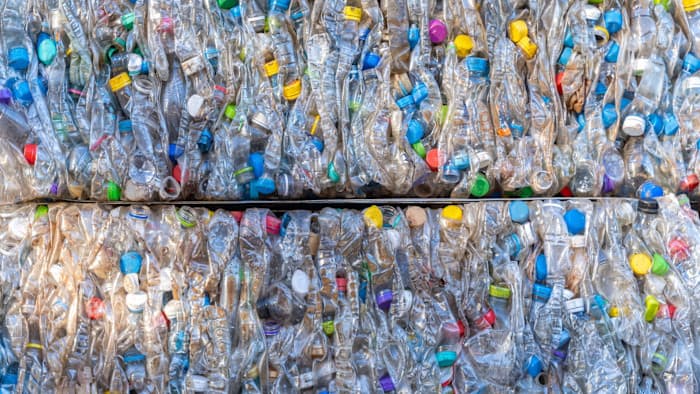
The pervasive nature of plastics, originating from fossil fuel refining byproducts, has led to their global dominance, impacting environments from Mount Everest to the Mariana Trench. Environmental journalist Beth Gardiner's investigation, detailed in her book Plastic Inc., exposes the industry's deliberate obfuscation of plastic's harms, mirroring tactics used to downplay climate change impacts.
In the 1960s, industry debates focused on encouraging a culture of disposability, moving away from prior practices of frugality and reuse. This corporate strategy aimed to shift the burden of waste management onto consumers. Early environmental movements in the 1970s targeted plastics, prompting industry-funded campaigns promoting recycling as a solution.
Key initiatives, like the Keep America Beautiful campaign, were revealed to be industry-backed, designed to deflect responsibility. A landmark 1970s television advertisement, sponsored by major corporations, successfully framed pollution as a personal failing, a tactic that continues to influence public perception and legal disputes over waste.
Despite the widespread use of single-use plastics, with over five trillion plastic bags produced annually and minimal average usage time, the production continues to rise. Polyethylene, the most common plastic, drives significant fossil fuel consumption, with oil companies increasingly relying on plastic production for growth.
While legislative measures like bans on PFAS in fabrics by the EU and extended producer responsibility laws in the UK are emerging, they are deemed insufficient. The article notes that while plastic's utility in critical medical and industrial applications is undeniable, its mounting physical impacts on both human health and the natural world necessitate a comprehensive global reassessment of its use.
