Home / Environment / Plastic Waste Burns: Toxic Air Pollution Soars
Plastic Waste Burns: Toxic Air Pollution Soars
22 Nov
Summary
- Plastic waste burning releases toxic particles and gases.
- Indonesia saw air pollution rise after China banned imports.
- New policies aim to curb global plastic waste trade.
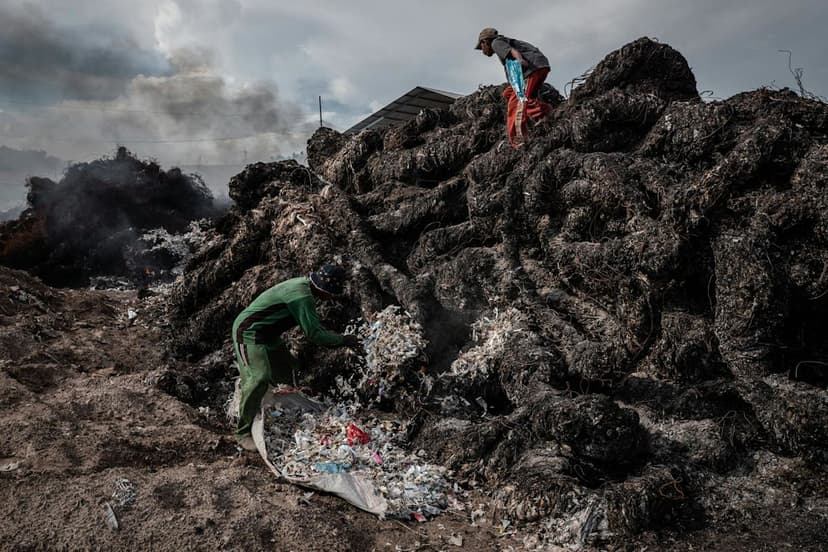
By 2050, the world could be generating plastic waste equivalent to Manhattan's size annually if current trends continue. Much of this waste is exported, and a significant portion is openly burned in lower- and middle-income countries, leading to severe toxic air pollution. Fine particles, carbon monoxide, and hydrogen cyanide are released, posing serious health risks.
The global plastic waste trade has seen major shifts. After China stopped importing plastic waste in 2018, the flow moved to countries like Indonesia. Studies show particulate matter pollution increased in Indonesia following this trade shift, correlating with higher mortality risks.
Recognizing the environmental impact, Indonesia has implemented restrictions, banning plastic waste imports entirely by 2025. Malaysia also enacted similar measures in mid-2025. These bans aim to combat illegal shipments and contaminated paper imports.
Globally, efforts to address plastic waste are ongoing, including stalled treaty negotiations and new EU regulations on waste shipments. In the U.S., domestic recycling rates remain low, prompting calls for increased recycling capacity and reduced plastic consumption. Extended producer responsibility laws are being enacted in several states to fund waste reduction programs.


