Home / Environment / Plastic's Green Guilt: Are Substitutes Worse?
Plastic's Green Guilt: Are Substitutes Worse?
18 Nov
Summary
- Conventional plastics' lifecycle emissions are 3.4% of global annual emissions.
- Alternative materials can sometimes lead to higher emissions overall.
- Lifecycle impacts, not just origin, must guide environmental decisions.
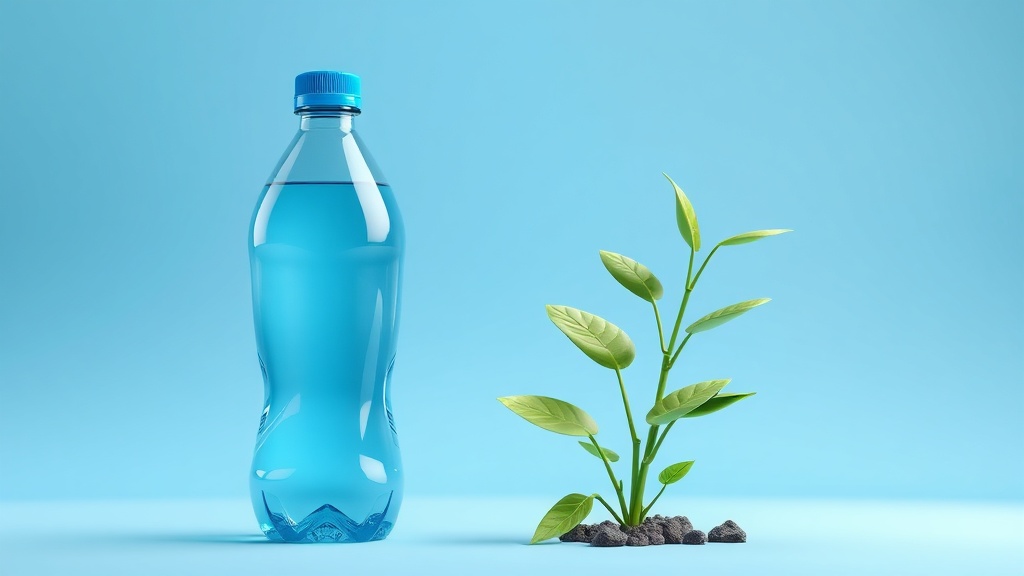
A surprising new analysis suggests that conventional plastics might, in some instances, possess a lower environmental footprint than their "green" alternatives. Conventional plastics account for approximately 3.4% of global annual greenhouse-gas emissions throughout their lifecycle. However, transitioning to materials like glass or metal can, unexpectedly, result in higher overall emissions when all factors are considered.
The unexpected outcome stems from the energy efficiency, lightweight nature, and durability of many plastic products. These characteristics can diminish the perceived environmental advantages of alternative materials. For example, while plastics benefit from efficient manufacturing, some bio-based materials require more energy for production and transportation, potentially increasing their climate risk.
This nuanced perspective underscores the importance of examining the full lifecycle impacts of materials, not just their origin. Policy recommendations are shifting from outright plastic bans to improving recycling infrastructure and extending product lifespans. Ultimately, sustainable choices require balancing climate goals with practical waste management solutions.