feedzop-word-mark-logo
searchLogin
Feedzop
homeFor YouIndiaIndia
You
bookmarksYour BookmarkshashtagYour Topics
Trending
Terms of UsePrivacy PolicyAboutJobsPartner With Us

© 2026 Advergame Technologies Pvt. Ltd. ("ATPL"). Gamezop ® & Quizzop ® are registered trademarks of ATPL.

Gamezop is a plug-and-play gaming platform that any app or website can integrate to bring casual gaming for its users. Gamezop also operates Quizzop, a quizzing platform, that digital products can add as a trivia section.

Over 5,000 products from more than 70 countries have integrated Gamezop and Quizzop. These include Amazon, Samsung Internet, Snap, Tata Play, AccuWeather, Paytm, Gulf News, and Branch.

Games and trivia increase user engagement significantly within all kinds of apps and websites, besides opening a new stream of advertising revenue. Gamezop and Quizzop take 30 minutes to integrate and can be used for free: both by the products integrating them and end users

Increase ad revenue and engagement on your app / website with games, quizzes, astrology, and cricket content. Visit: business.gamezop.com

Property Code: 5571

Home / Environment / Plastic's Recycling Myth Exposed: Production Surges Unchecked

Plastic's Recycling Myth Exposed: Production Surges Unchecked

26 Jan

•

Summary

  • Recycling alone cannot solve plastic pollution as production increases.
  • Most plastic is landfilled, burned, or pollutes oceans.
  • Governments must reduce plastic production and ban single-use items.
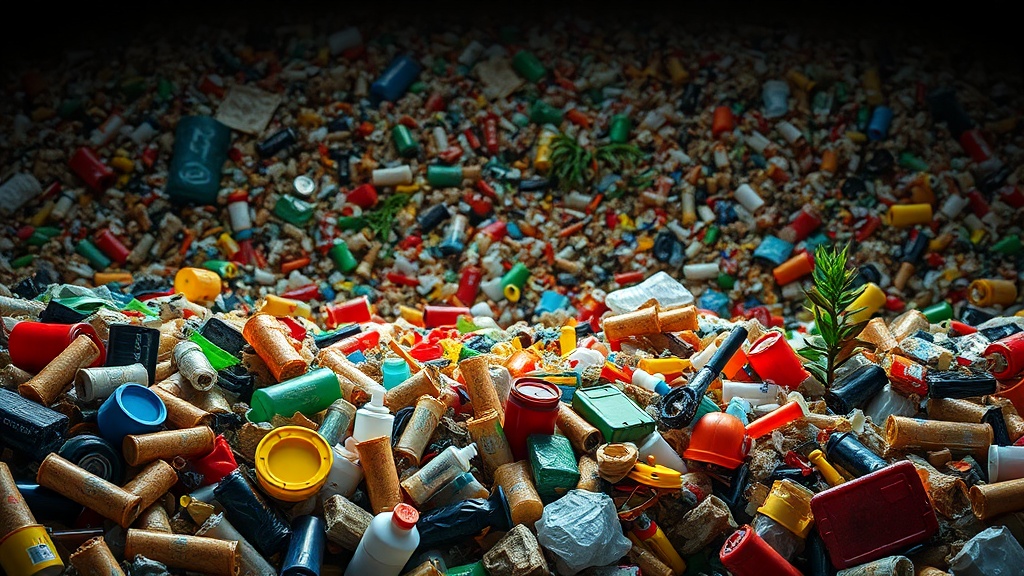
Plastic's Recycling Myth Exposed: Production Surges Unchecked

The notion that effective plastic recycling can resolve the global pollution crisis is a deceptive myth, particularly as plastic production escalates without adequate control. In reality, a minimal portion of plastic waste is recycled, with the majority being discarded in landfills, incinerated openly, or finding its way into marine environments through rivers.

Plastic's complex variety and the difficulties in large-scale recycling make it a persistent challenge. Despite claims of 'chemical recycling' breakthroughs, these facilities process insignificant waste volumes and often convert plastic into fuel, exacerbating pollution. Pakistan exemplifies the dire consequences, with single-use plastics overwhelming weak waste management systems and causing environmental damage.

Addressing this requires a fundamental shift from relying on recycling alone. Governments worldwide must prioritize reducing plastic output at its origin. This involves limiting new plastic production, prohibiting unnecessary single-use items, and enforcing producer responsibility for the waste generated by their products.

trending

Padma Awards: Unsung heroes honoured

trending

Mumbai Metro Line 11

trending

Border 2 box office success

trending

Australian Open Heat Suspends Play

trending

MPESB Police Answer Key 2026

trending

Arne Slot on Mo Salah

trending

BBL 2026 Qualifier prediction

trending

Man wins £79,000 Range Rover

trending

Samsung Galaxy S26 Ultra

Effective strategies include implementing deposit schemes, ensuring clear product labeling, and penalizing excessive packaging. In Pakistan specifically, strengthening waste segregation, regulating burning and incineration, and supporting local, affordable alternatives are crucial steps. While public awareness is valuable, it cannot substitute for robust governmental regulation and a focus on confronting plastic production itself.

Disclaimer: This story has been auto-aggregated and auto-summarised by a computer program. This story has not been edited or created by the Feedzop team.
Recycling alone is insufficient because plastic production continues to rise unchecked, and only a small fraction of plastic is ever truly recycled, with most ending up in landfills or polluting environments.
Governments worldwide are urged to reduce plastic at its source by limiting new plastic production, banning unnecessary single-use items, and making producers responsible for the waste their products create.
In Pakistan, single-use plastic packaging dominates markets, weak waste collection systems allow plastic bags to clog drains and worsen flooding, and rivers are contaminated with plastic waste.

Read more news on

Environmentside-arrowPakistanside-arrow

You may also like

Beyond Tech: Indian Waste Solutions Depend on Us

18 Jan • 42 reads

article image

Climate Change Worsens Plastic Crisis for Orcas

3 Jan • 151 reads

article image

EU Cracks Down on Plastic Imports to Aid Recyclers

23 Dec, 2025 • 137 reads

article image

Vietnam's Plastic Paradox: Health Risks vs. Economic Lifeline

16 Dec, 2025 • 153 reads

article image

Restaurant Oil Transformed into Plastic and Superglue

9 Dec, 2025 • 193 reads

article image