Home / Environment / Plastic Production: A Deliberate Global Plan
Plastic Production: A Deliberate Global Plan
19 Feb
Summary
- Fossil fuel companies deliberately increased plastic production for profit.
- Communities near plants suffer severe health issues from toxic gases.
- Recycling efforts were promoted to mask the industry's production focus.
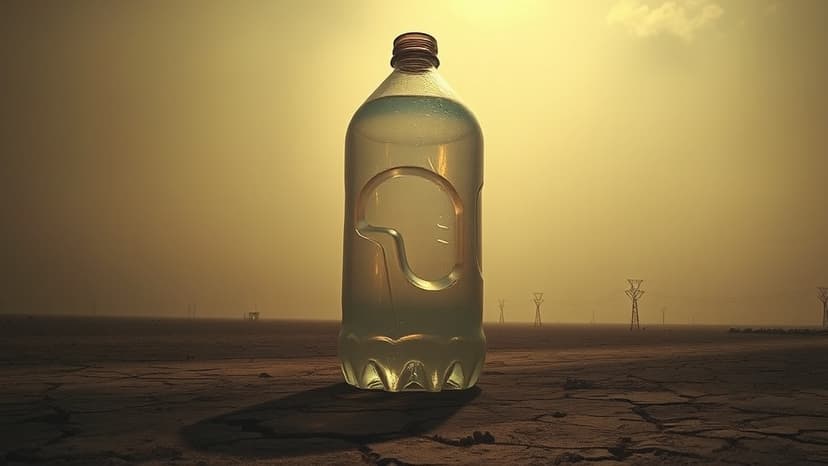
Plastic production has doubled in the last 20 years and is projected to double again, driven by fossil fuel companies seeking to sustain their business models. Author Beth Gardiner's research exposes the industry's deliberate strategy to increase plastic use, understanding the profound environmental and health impacts. Communities near plastics plants in areas like Reserve, Louisiana, suffer disproportionately from toxic gases and related illnesses. Indonesia's hills of dumped plastic, bearing brands from the UK, US, and Europe, highlight the global reach of waste. Gardiner criticizes the industry's framing of plastic as a convenience, obscuring its fossil fuel origins and intentional production for disposability, which began in the mid-20th century. Petrochemicals are expected to be the largest driver of future oil demand, making plastic a tool for continued drilling and a major climate threat. In 2019, plastics generated 1.8 billion tonnes of greenhouse gas emissions. The industry has actively lobbied against regulations and promoted recycling to shift focus from individual consumption to corporate responsibility. Despite ongoing challenges with plastic regulation globally, community actions and shifts in waste import policies in countries like China and Indonesia are creating pressure for change.