feedzop-word-mark-logo
searchLogin
Feedzop
homeFor YouIndiaIndia
You
bookmarksYour BookmarkshashtagYour Topics
Trending
trending

Navi Mumbai Airport opens today

trending

New airlines launch in India

trending

Akshaye Khanna exits Drishyam 3

trending

Libyan officials die in Turkey

trending

Nigeria open banking potential

trending

Hawaii Bowl live stream options

trending

Gemini AI Android multitasking boost

trending

Cameroon vs Gabon AFCON

trending

Bumrah skips Vijay Hazare Trophy

Terms of UsePrivacy PolicyAboutJobsPartner With Us

© 2025 Advergame Technologies Pvt. Ltd. ("ATPL"). Gamezop ® & Quizzop ® are registered trademarks of ATPL.

Gamezop is a plug-and-play gaming platform that any app or website can integrate to bring casual gaming for its users. Gamezop also operates Quizzop, a quizzing platform, that digital products can add as a trivia section.

Over 5,000 products from more than 70 countries have integrated Gamezop and Quizzop. These include Amazon, Samsung Internet, Snap, Tata Play, AccuWeather, Paytm, Gulf News, and Branch.

Games and trivia increase user engagement significantly within all kinds of apps and websites, besides opening a new stream of advertising revenue. Gamezop and Quizzop take 30 minutes to integrate and can be used for free: both by the products integrating them and end users

Increase ad revenue and engagement on your app / website with games, quizzes, astrology, and cricket content. Visit: business.gamezop.com

Property Code: 5571

Home / Environment / Plastic Pollution Persists for Centuries, Overwhelming Ocean Eco-system

Plastic Pollution Persists for Centuries, Overwhelming Ocean Eco-system

24 Oct

•

Summary

  • Trillions of plastic pieces float in oceans, taking over a century to sink
  • Microplastics found in human arteries, brains, and sexual organs
  • Plastic pollution disrupts ocean's natural conveyor belt, impacting climate
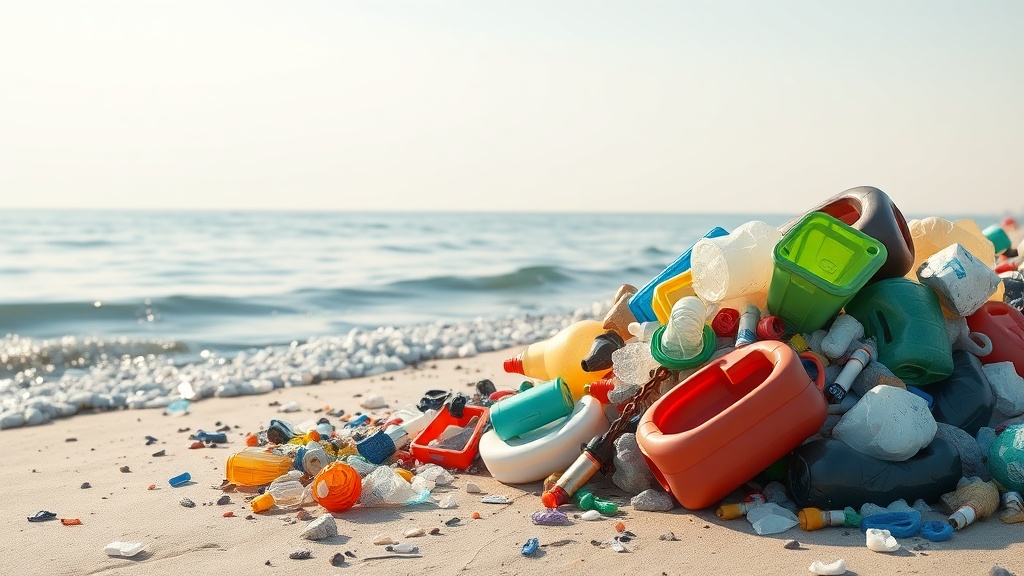
Plastic Pollution Persists for Centuries, Overwhelming Ocean Eco-system

According to a new assessment published on October 24, 2025, the plastic pollution crisis is far worse than previously thought. Researchers at Queen Mary University of London have found that over 170 trillion pieces of plastic are currently floating in the world's oceans, and it could take more than a century for them to sink or disappear, even if all plastic pollution stopped immediately.

The study paints a bleak picture of the long-term impact of plastic waste. Microplastics and nanoplastics have been detected in human arteries, brains, and sexual organs, with potential links to cancer, diabetes, heart disease, and gut health issues. While the full effects are still being studied, the sheer scale and persistence of plastic pollution poses a grave threat to both human and environmental health.

Experts warn that the plastic waste could overwhelm the ocean's natural conveyor belt, a crucial system of deep ocean and surface currents that transports heat and nutrients around the world. Further research is needed to understand the full implications, but it's clear that the plastic crisis is an intergenerational problem that will continue to plague future generations unless drastic action is taken.


Disclaimer: This story has been auto-aggregated and auto-summarised by a computer program. This story has not been edited or created by the Feedzop team.
According to the study, even if all plastic pollution stopped today, it could take over a century for the trillions of plastic pieces currently floating in the oceans to sink or disappear.
Microplastics and nanoplastics have been detected in human arteries, brains, and sexual organs, with potential links to cancer, diabetes, heart disease, and gut health issues.
Experts warn that the scale of plastic pollution could overwhelm the ocean's crucial natural conveyor belt, a system of deep ocean and surface currents that transports heat and nutrients around the world.

Read more news on

Environmentside-arrowLondonside-arrow

You may also like

Europe's Water Crisis: South Dries Up, North Gets Wetter

29 Nov • 256 reads

article image

Maternal Deaths: Coroner Advice Ignored?

19 Nov • 122 reads

article image

Pancreas Development Explains Aggressive Type 1 Diabetes in Children

13 Nov • 189 reads

article image

Bumblebees Demonstrate Surprising Time-Keeping Abilities

12 Nov • 210 reads

article image

Thirties Blood Pressure Linked to Heart Attack Risk Decades Later

10 Nov • 174 reads

article image