
Home / Environment / Beaches face years-long plastic pellet cleanup
Beaches face years-long plastic pellet cleanup
6 May
Summary
- Millions of plastic pellets from a Southern Water spill are polluting Sussex and Kent coasts.
- Cleanup efforts for the toxic pellets could take up to three years in the worst-case scenario.
- Scientists found heavy metals, including lead and arsenic, in the plastic pellets, posing risks.
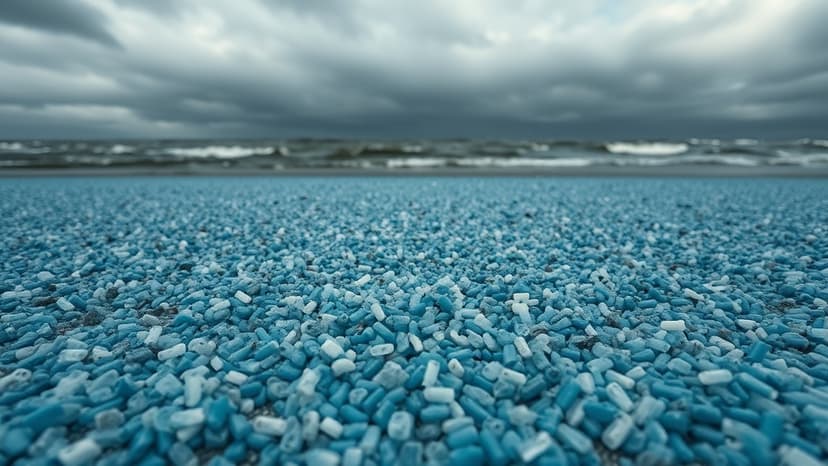
Millions of plastic pellets, originating from a Southern Water treatment works spill in Eastbourne last October, have severely polluted the Sussex and Kent coastlines. The affected areas include Camber Sands and Rye Harbour Nature Reserve, with the contamination reaching as far as St. Mary's Bay. The non-profit organization Nurdle is spearheading the cleanup, which is estimated to take up to three years in a worst-case scenario.
Scientists have discovered that these plastic pellets, also referred to as biobeads, contain toxic heavy metals such as lead and arsenic, posing a significant threat to wildlife. Nurdle utilizes specialized vacuum equipment for the cleanup and plans to conduct extensive cleaning days through 2029, aiming to restore the beaches. The Environment Agency has classified this pollution incident as Category One, indicating a major environmental impact.
Southern Water has expressed deep apologies for the accidental spill and has reinforced its containment systems, including AI cameras, to prevent future occurrences. The company is providing funding for Nurdle's cleanup efforts. Local MP Helena Dollimore has initiated a petition to ban plastic beads in wastewater treatment and highlighted that approximately 312 million beads were released. The government has strengthened the Environment Agency's powers to hold water companies accountable.
