

Home / Environment / Warming Winters Force Ice Rinks to Go Plastic
Warming Winters Force Ice Rinks to Go Plastic
5 Apr
Summary
- Synthetic ice rinks offer a cost-effective alternative to traditional rinks.
- Climate change impacts ice sports, leading to rink conversions.
- Environmental concerns arise from plastic production and microplastic shedding.
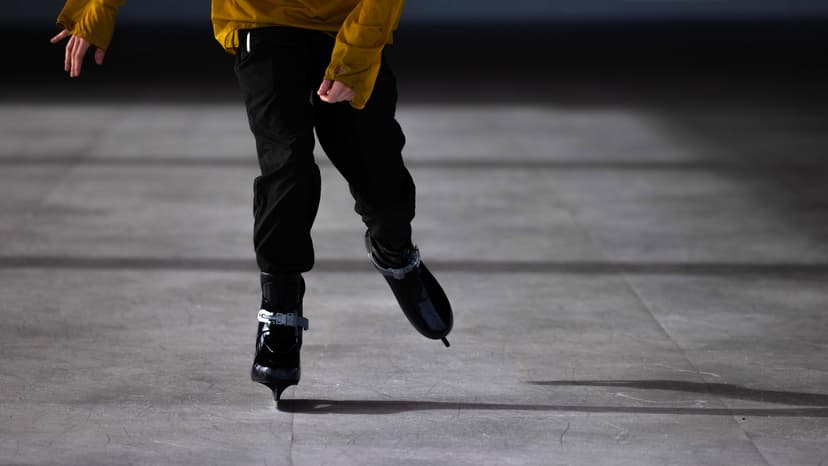
Warming winters and aging infrastructure are compelling sports facilities to reconsider traditional ice rinks. Eugene T. Mahoney State Park in Nebraska recently replaced its 26-year-old ice rink with a synthetic, high-density polyethylene surface for approximately $350,000. This contrasts sharply with the $2 million cost for new chilling equipment for a traditional rink, addressing both cost efficiency and operational challenges posed by milder winters.
The trend towards synthetic ice is fueled by the significant impact of climate change on winter sports. Rising temperatures have made maintaining natural ice unreliable, affecting everything from local pond hockey to professional events like the Winter Games. Traditional rinks also pose environmental risks due to refrigerants and potential leaks of hazardous chemicals.
However, the widespread adoption of plastic ice surfaces is not without controversy. Environmentalists express concern that replacing one environmental issue (refrigerant leaks) with another (plastic production from fossil fuels) is a paradox. The manufacturing of plastics contributes to greenhouse gas emissions, and the constant friction from skates on synthetic ice can generate microplastics, which have become a ubiquitous environmental pollutant.
Despite these concerns, the environmental benefits of synthetic ice are significant. A single traditional rink can emit hundreds of tons of carbon dioxide annually, while producing a plastic rink has a much smaller carbon footprint. Researchers emphasize that the electricity required for traditional refrigeration systems far exceeds the environmental cost of manufacturing plastic ice, presenting a complex trade-off for the future of ice sports.

