

Home / Environment / Planting Forests, Not Just Trees, for a Greener Future
Planting Forests, Not Just Trees, for a Greener Future
24 Apr
Summary
- Mixed-species forests grow faster and are more resilient than monocultures.
- BiodiversiTREE experiment shows mixed plots support dramatically more biodiversity.
- Global experiments confirm mixed forests store more carbon and withstand stress.
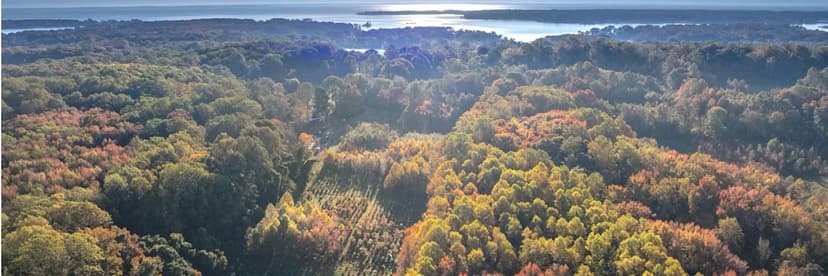
Globally, plans to plant over a trillion trees this decade aim to mitigate climate change and biodiversity loss. Yet, many initiatives prioritize monoculture plantations, which are prone to failure from drought or pests. Scientific evidence now strongly supports a different approach: mixed-species plantings that replicate natural forest diversity.
Research, including the Smithsonian's BiodiversiTREE experiment, has rigorously tested this concept. Over a decade, trees in mixed forests have shown superior growth rates, outperforming monoculture counterparts by up to 80%. These diverse plots also support significantly more biodiversity and insects, while monocultures often become biological deserts.
Despite clear benefits, monocultures persist in commercial forestry due to perceived practical challenges in design and management. New projects like 'Functional Forests' are now developing intentionally designed species combinations. These aim to balance ecological advantages with the production of timber and other essential human needs.
The stakes are immense, with billions invested in ecosystem restoration. Simply planting trees is insufficient; the focus must shift to growing resilient, biodiverse forests that ensure long-term ecological health and climate stability. This strategic approach promises to deliver multiple benefits, from timber to biodiversity, for a sustainable future.
