Home / Environment / Gulf's Fragile Beauty: Oil Riches vs. Dying Ecosystems
Gulf's Fragile Beauty: Oil Riches vs. Dying Ecosystems
26 Mar
Summary
- Extreme temperatures and salinity threaten diverse marine life.
- Coastal development has erased most natural shorelines.
- Pollution and climate change push vital ecosystems to collapse.
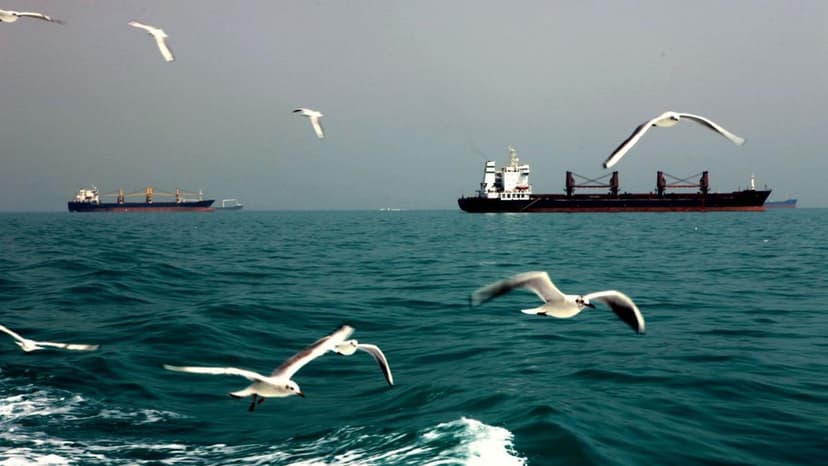
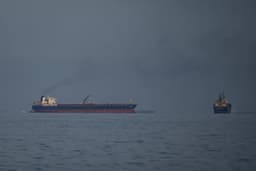
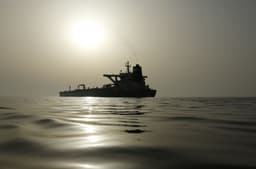
Six decades ago, the Persian Gulf teemed with fishing boats, but today, military ships and oil tankers dominate its image. This semi-enclosed sea, characterized by extreme heat and salinity, harbors unique ecosystems despite its harsh conditions. Intertidal zones, lagoons, mangroves, and offshore seagrass meadows support specialized microbes, commercially important species, and are crucial nurseries for marine life.
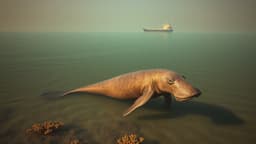
These waters are vital for endangered species, including five of the world's seven sea turtle species and the second-largest dugong population globally. Coral reefs, resilient to extreme conditions, serve as natural laboratories for climate change research. Historically, the Gulf supported a thriving pearl industry, but the discovery of oil in the 20th century led to rapid urbanization and industrialization.
Massive land reclamation and dredging projects have transformed coastlines, with Dubai alone altering over 60% of its natural shore. This has led to the destruction of salt flats, mangroves, and natural beaches, replaced by seawalls and buried seagrass beds. Offshore, coral reefs face smothering by sediments, and industrial activities like desalination discharge hot, saline brine, further stressing the environment.
Pollution from sewage and industrial discharge causes algal blooms, depleting oxygen and leading to fish deaths. Chronic nutrient loading and oil spills, including devastating impacts from the 1991 Gulf War, continue to damage marine life and degrade ecosystems. Threats persist, with rising temperatures causing repeated coral bleaching and ongoing industrial risks.
Conservation efforts are underway, with some nations imposing limits on shrimp trawling and leading mangrove restoration. However, critical ecosystems like coastal swamps and turtle nesting sites are nearing irreversible damage. Prioritizing ecological concerns at the highest governmental levels is crucial for rapid environmental action, given the region's centralized governance.