Home / Environment / PAU nests offer hope for vanishing birds
PAU nests offer hope for vanishing birds
4 Sep
Summary
- Artificial nests combat bird decline due to low forest cover.
- Birds control pests like insects, rats, and mice.
- PAU standardizes nests for six key bird species.
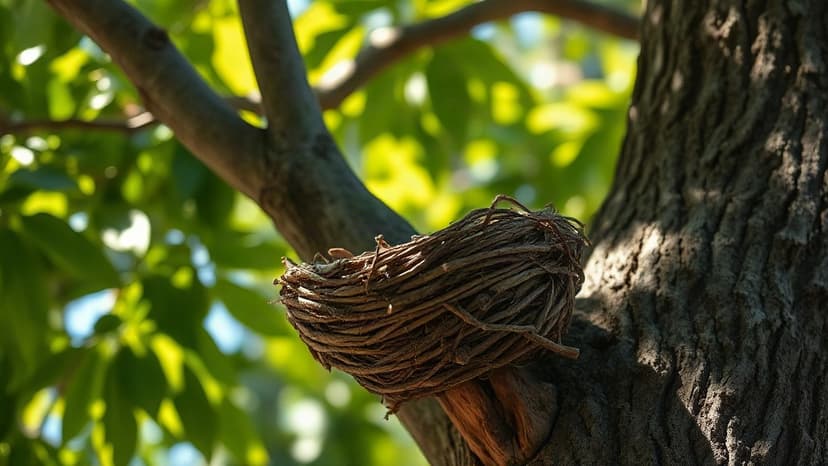
Punjab Agricultural University (PAU) zoologists are advocating for the widespread adoption of standardized artificial nests to address a critical decline in cavity-nesting birds. The state's forest cover has dwindled to a mere 3.67%, severely limiting natural nesting sites.
These artificial nests provide essential breeding habitats for insectivorous and carnivorous birds that play a crucial role in controlling agricultural pests such as insects, rats, and mice. This initiative aims to enhance the natural biological control mechanisms within Punjab's agricultural landscapes.
PAU has finalized nest designs for six key species, including the Common Myna and Spotted Owlet. The university has been promoting these conservation tools for over ten years through farmer outreach programs, exhibitions, and workshops.
Experts emphasize that supplementing scarce natural tree cavities with well-designed artificial nests is a practical strategy. This approach supports secondary cavity nesters, helping sustain their ecological role and the aesthetic value they bring to local environments.


