Home / Environment / Lost River Bièvre's Future: AI Reveals Alternate Paris
Lost River Bièvre's Future: AI Reveals Alternate Paris
21 Nov
Summary
- Photorealistic renderings show Paris with its lost Bièvre River.
- The Bièvre was buried due to pollution in the late 19th century.
- Paris plans to restore sections of the Bièvre by 2028.
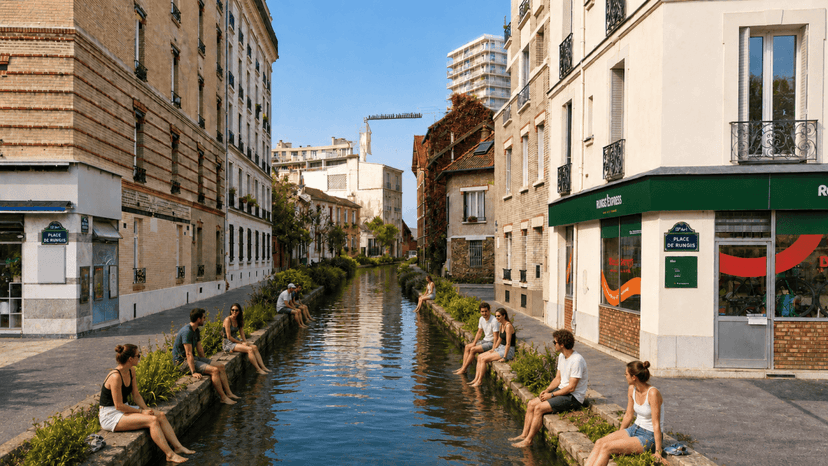
A journalist and architectural enthusiast has produced the first photorealistic visualizations of Paris's "lost" Bièvre River, exploring an alternate reality where the waterway was never buried. Daniel Coughlin used AI and historical data to recreate the river's course, revealing how it might have shaped the city's development.
The Bièvre once flowed through Paris, supporting mills and workshops, before industrial waste led to it being covered in the late 19th and early 20th centuries. Coughlin's project, "The Curious Compendium of Architectural What-Ifs," imagines if Paris had cleaned and preserved the river.
These renderings depict a different Paris with picturesque bridges, waterfront cafes, and intimate streets. Coughlin suggests the river's presence could have fostered more historic building preservation and offered unique neighborhood charm, akin to the Canal Saint-Martin.
The project aligns with global efforts to restore buried waterways and revive urban ecosystems. Paris itself is studying proposals to resurface parts of the Bièvre. The first restoration project is planned for Parc Kellermann, with completion anticipated by 2028.
Restoring the Bièvre could offer significant environmental benefits, including cooling urban heat islands and supporting biodiversity. It could also boost local businesses and reconnect the city with its history while creating future value.


