Home / Environment / Panama Canal's Expansion Unleashes Saltwater Invaders
Panama Canal's Expansion Unleashes Saltwater Invaders
28 Nov
Summary
- Saltwater fish from Atlantic and Pacific oceans now inhabit Lake Gatún.
- Local freshwater fish populations are declining due to ocean invaders.
- Rising salt levels in the lake threaten Panama's drinking water supply.
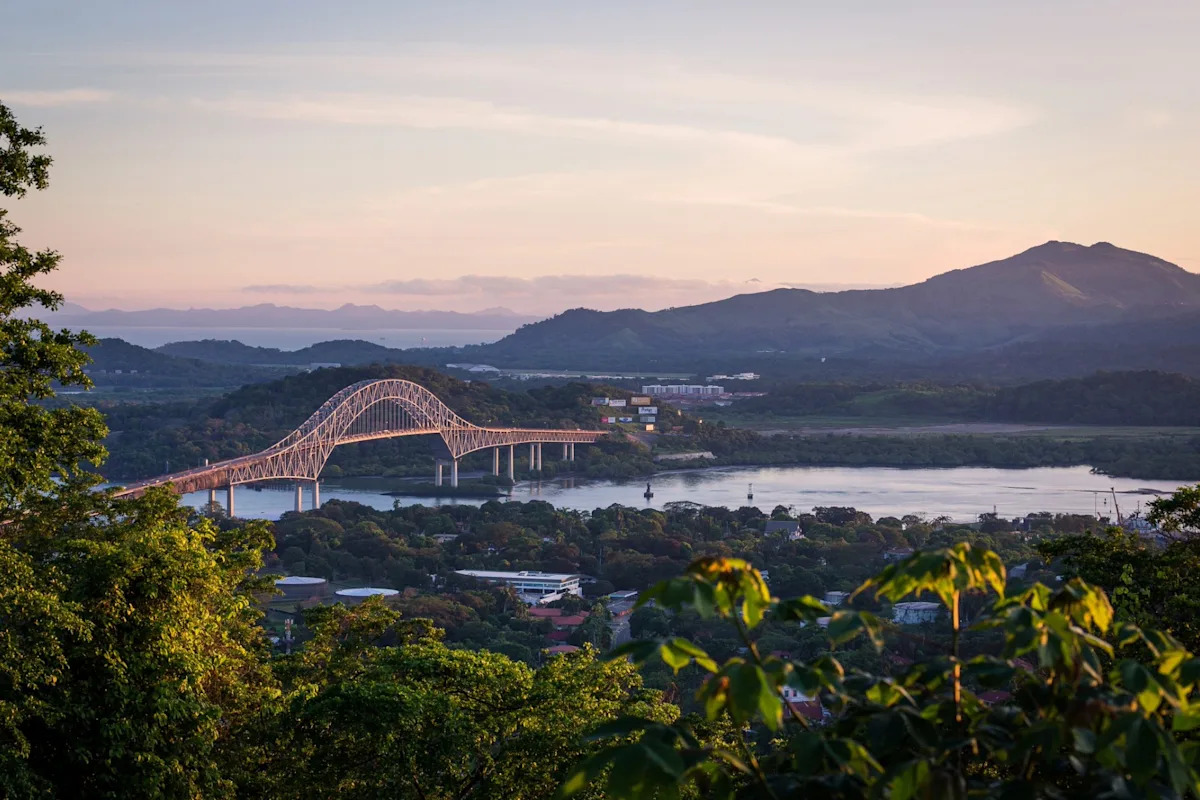
Since the 2016 expansion of the Panama Canal to accommodate larger vessels, an unforeseen ecological consequence has emerged. Saltwater species from both the Atlantic and Pacific oceans are now thriving in Lake Gatún, the canal's primary freshwater body. This invasion has led to a significant decline in local fish populations like peacock bass and tilapia, which are vital for local communities and the fishing industry. Concerns are also escalating regarding the potential migration of dangerous species, such as the venomous lionfish, to new ecosystems.
The ecological disruption extends beyond diminished catches for local fishermen and sport fishing guides. Scientists and officials are increasingly worried about the rising salinity levels within Lake Gatún. This environmental shift poses a direct threat to approximately half of Panama's drinking water supply. The unintended consequence of infrastructural development highlights a complex challenge, as solutions are sought to mitigate further ecological damage and safeguard essential resources.
Panamanian authorities are reportedly exploring various mitigation strategies, though they acknowledge the complexity and time required for effective intervention. Proposed measures include physical barriers like electric fields or air bubble curtains, which could impede fish migration. However, these solutions may also impact shipping operations. Experts emphasize the urgent need for action, drawing parallels to similar challenges in other global waterways, stressing that inaction could lead to irreversible environmental damage.