

Home / Environment / Pakistan's Plastic Problem: Kids Tackle Waste Crisis
Pakistan's Plastic Problem: Kids Tackle Waste Crisis
24 Apr
Summary
- Two young children collect metal cans and plastic daily.
- Pakistan recycles only 15-18% of 2 million tonnes of plastic waste annually.
- Extended Producer Responsibility (EPR) aims to shift waste costs to companies.
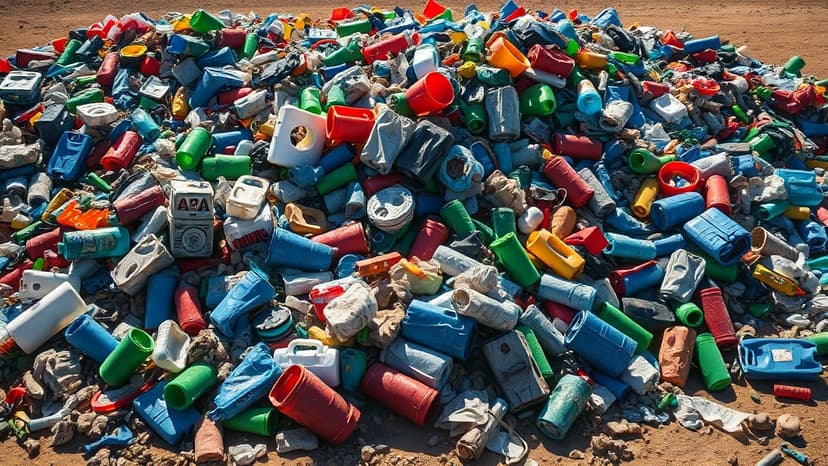
Young children in Pakistan, such as 11-year-old Irfanullah Wahid and 10-year-old Faisal Asadullah, are crucial to the nation's informal waste management system. They collect recyclables daily, often earning minimal amounts for their efforts. Pakistan faces a significant plastic waste challenge, generating around 2 million tonnes annually with only 15-18% being recycled.
The nation is projected to generate 12 million tonnes of plastic waste by 2040 if no intervention occurs. This waste exacerbates urban flooding, pollutes waterways, and contaminates air and food chains. A proposed Extended Producer Responsibility (EPR) framework aims to address this by shifting the financial burden of waste management from consumers to producers, starting in 2025.
However, experts like Dr. Ayesha Khan highlight that any successful EPR framework must integrate the estimated 200,000 to 333,000 individuals working in Pakistan's unorganized waste sector. These informal workers, including many women and children, are described as "frontline partners" handling approximately 40% of the country's waste under hazardous conditions without protective gear or social security.
Formalizing this informal sector, which constitutes about 59% of Pakistan's GDP, presents a major challenge. Many workers remain outside state oversight to avoid taxation and eviction. While companies advocate for adopting international best practices, a key concern is ensuring inclusivity and equitable burden-sharing with the informal sector.
In comparison, India adopted EPR frameworks in 2020, but faced challenges with weak enforcement, with nearly 59% of producers failing to meet targets for flexible plastic packaging. Experts noted a gap between policy intent and on-ground implementation, often focusing on downstream solutions rather than upstream product redesign.
Children like Wahid and Asadullah continue their work daily, collecting plastic and tin cans, often earning just Rs70 per kilogram. Their labor, essential for cleaning up Pakistan's waste, remains largely unrecognized in official waste management plans.
