
Home / Environment / Pakistan's Climate Crisis: Action Needed Now
Pakistan's Climate Crisis: Action Needed Now
4 May
Summary
- Pakistan reacts to disasters instead of preparing for them.
- Early heatwaves and water stress worsen Pakistan's climate risks.
- Budget allocation is critical for Pakistan's climate resilience efforts.
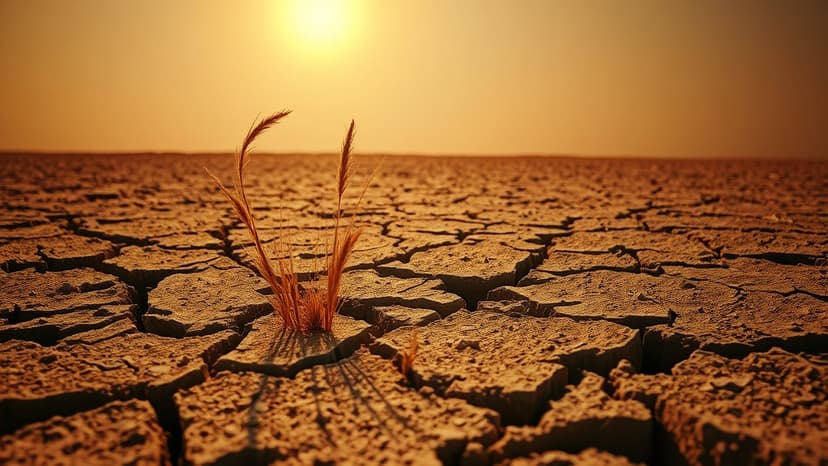
Pakistan is trapped in a cycle of disaster response, with climate risks escalating annually. A recent Jinnah Institute report underscores the nation's vulnerability, pointing to structural failures like weak early warning systems and fragmented governance. The year 2026 has already seen early heatwaves and increased risks of drought and heavy rains, compounding existing water stress from polluted rivers and falling groundwater levels.
The economic impact is significant, particularly for rural communities dependent on farming. Crop failures and disrupted supply chains lead to rising prices, disproportionately affecting the poorest households. True resilience for vulnerable communities means gradual daily improvements, supported by education, asset ownership, technology access, and social support. However, progress is hindered by poor governance and a lack of coordinated planning.
As policymakers convene for the Breathe Pakistan conference, the focus shifts to action. The national budget is a crucial opportunity to fund practical climate solutions. Strengthening local governments, aligning provincial efforts, and integrating climate spending into regular budgets are essential steps. Without sustained political will and funding for measures like improved early warning systems and wetland protection, Pakistan will continue to bear the costs of damage instead of investing in prevention.
