Home / Environment / Pakistan's Water Crisis: 80% Lack Safe Drinking Water
Pakistan's Water Crisis: 80% Lack Safe Drinking Water
9 Dec, 2025
Summary
- Over 80% of Pakistan's population lacks access to safe drinking water.
- Climate change and poor water management exacerbate the crisis.
- Indus River system faces threats from upstream control and infrastructure.
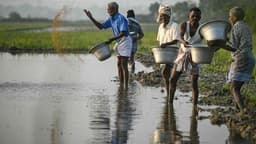
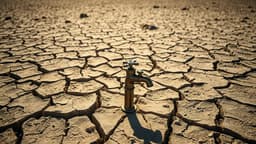
Pakistan is grappling with significant water insecurity, impacting more than 80% of its population who lack access to safe drinking water. This critical situation is exacerbated by rapid population growth, the escalating impacts of climate change, and inadequate water management practices. The nation's lifeline, the Indus River system, is further threatened by upstream water control and infrastructure challenges.
Despite a moderate improvement in its national water security score and water governance performance, Pakistan continues to face implementation gaps. Challenges such as institutional fragmentation, limited coordination, and underinvestment hinder progress. The gap between the National Water Policy, announced in 2018, and its actual execution has also limited its impact.
To address these issues, the Asian Development Bank recommends strengthening institutional coordination, introducing volumetric pricing for efficiency, embedding gender and social inclusion in decision-making, and establishing an independent water quality authority. Without coordinated and well-financed governance, gains in water security will remain uneven and difficult to sustain.