Home / Environment / Glacier Meltdown Threatens North Pakistan
Glacier Meltdown Threatens North Pakistan
25 Feb
Summary
- Glaciers are melting, swelling lakes, risking floods.
- Warming trend disrupts ecosystems and infrastructure.
- Urgent action needed for early warning and adaptation.
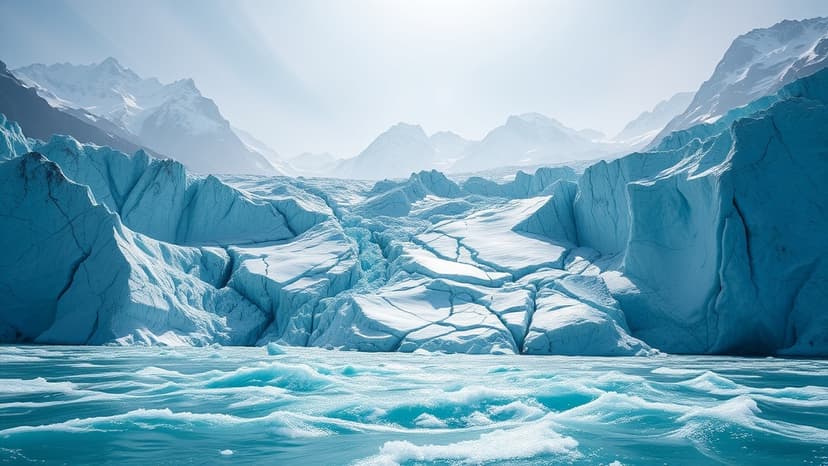
Northern Pakistan is on the front lines of climate change, with the Met Office warning of above-normal temperatures in Gilgit-Baltistan and Kashmir. Daytime temperatures are 3-5°C above normal, leading to accelerated glacier melt and the swelling of glacial lakes, posing an imminent risk of Glacial Lake Outburst Floods (Glofs).
The region's fragile ecosystems are struggling to cope with even modest warming trends of 0.6°C. Reduced snowfall over recent years means less stable glacial ice formation, exacerbating the problem. This disruption impacts agriculture, infrastructure like roads, tourism, and livelihoods, leading to displacement and crop destruction.
Urgent government intervention is necessary. This includes expanding and modernizing early warning systems for Glofs, linking them to community response mechanisms. Vulnerable glacial lakes need mapping and regular assessment, with engineered drainage solutions considered. Prioritizing resilient infrastructure and enhancing community preparedness through drills and awareness campaigns are vital.
Furthermore, intensified climate diplomacy is essential to secure adaptation financing for these mountain regions. These areas contribute minimally to global emissions but suffer disproportionately from climate change impacts. Protecting these communities is a national imperative.